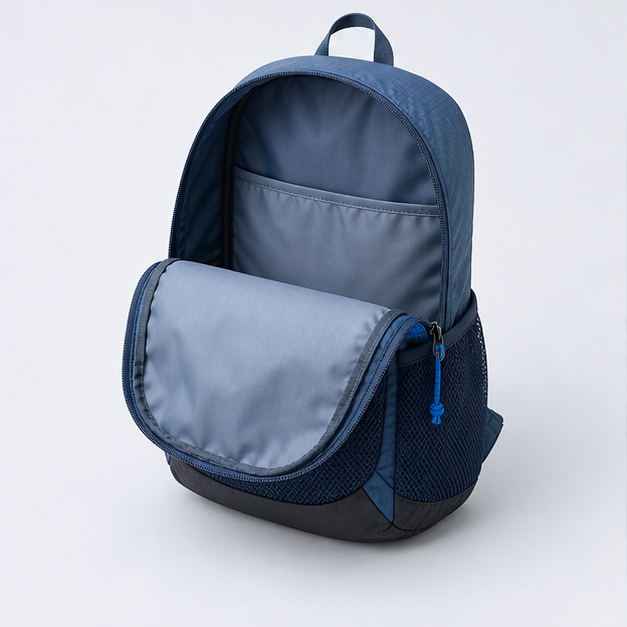
Internal organization
The daypack format puts attention on a usable main space and accessible smaller items. Decide which contents should sit inside and which need external access.
- Lightweight frame
- Dual bottle pockets
- Adjustable sternum strap
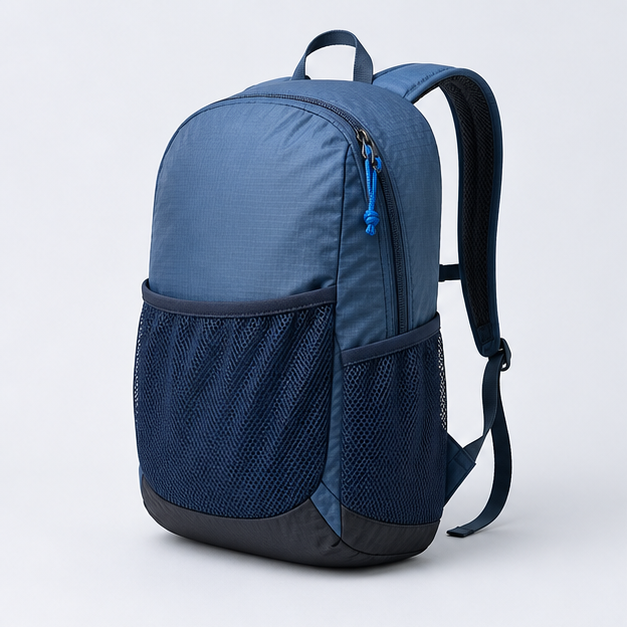
Trail Lite Daypack · Outdoor-brand and distributor procurement
Design reference for customization; final details subject to sampling.
Made-to-order B2B production. Specifications are confirmed through sampling.
An OEM lightweight daypack for outdoor-brand procurement programs. Start with the load and wearer, then check bottle access, strap adjustment and the balance between fabric weight and reinforcement.
Use the interior and detail views to discuss your changes.
The daypack format puts attention on a usable main space and accessible smaller items. Decide which contents should sit inside and which need external access.
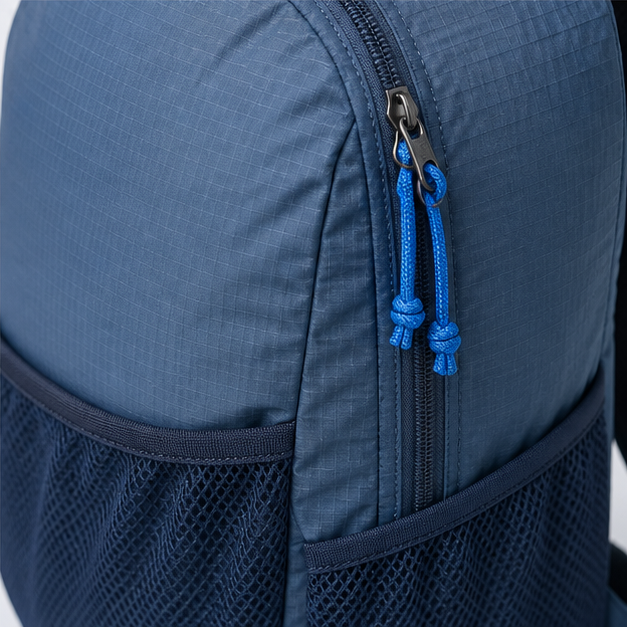
Discuss shell texture, lining feel, padding and zipper finish together. The close-up is a visual reference; exact material weight and construction are agreed in the specification.
Reference visuals, not production approval. Features, construction and any performance requirement must be confirmed on your sample.
MATERIAL BUILD
The listed materials are the starting direction for Trail Lite Daypack. Review the shell, inside finish and support together before approving the production specification.
Reference directionRipstop nylon
The ripstop nylon direction keeps the shell flexible. Confirm fabric weight and hand feel before adding extra pockets or a different backing.
Reference directionPolyester mesh
Mesh is used as a pocketing direction rather than a full interior lining specification. Agree where open mesh, solid fabric or binding is needed.
Reference directionTo be defined with your sample
Balance the light carry concept against any requested back padding or stiffening. Review added components on the packed sample rather than approving them in isolation.
The close-up belongs to this design reference. It does not verify fiber composition, coating, recycled content or performance.
Tell us what should stay, what should change and which details matter most to your program. Options below are discussion points, not a fixed configuration.
FUNCTIONAL DETAILS
Use these checks to turn the Trail Lite Daypack reference into a clear development brief.
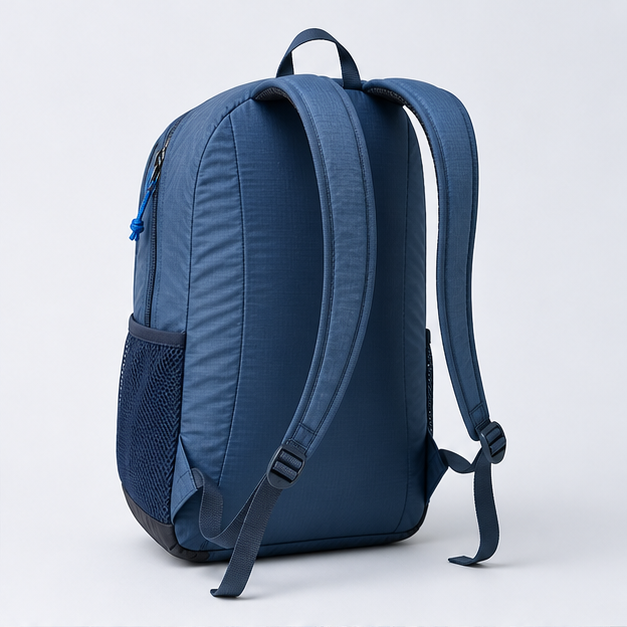
Review bottle diameter and pocket height together. Elastic tension and the mesh opening should be checked with the actual bottle in place.
Buyer questionWhat bottle sizes should the side pockets accept?
Position the sternum strap for the intended wearer and carrying style. Check buckle reach and adjustment without assuming one setting fits everyone.
Buyer questionWho will use the daypack?
Every extra loop, reflective trim or padded panel changes the original simple build. Identify the additions that serve a real use and review their attachment.
Buyer questionWhich extras are essential rather than decorative?
Discuss changes before the pattern is finalized. The pictured configuration is not the final specification for your order.
YOUR DEVELOPMENT PROCESS
A practical sequence for developing Trail Lite Daypack, with a clear input and review point at each stage.
SamplingTypically 7–10 days
Bulk productionTypically 30–45 days after approvals
Timing is a planning reference, subject to the agreed specification, material availability, revisions and production schedule.
Load the planned day-trip kit and bottles; review access and strap adjustment on the intended user.
Agree what lightweight means for your brief. Finished weight and any reflective feature need sample confirmation.
Check artwork size, position, color, label wording and packing. Sign off the final specification and sample together before bulk production.
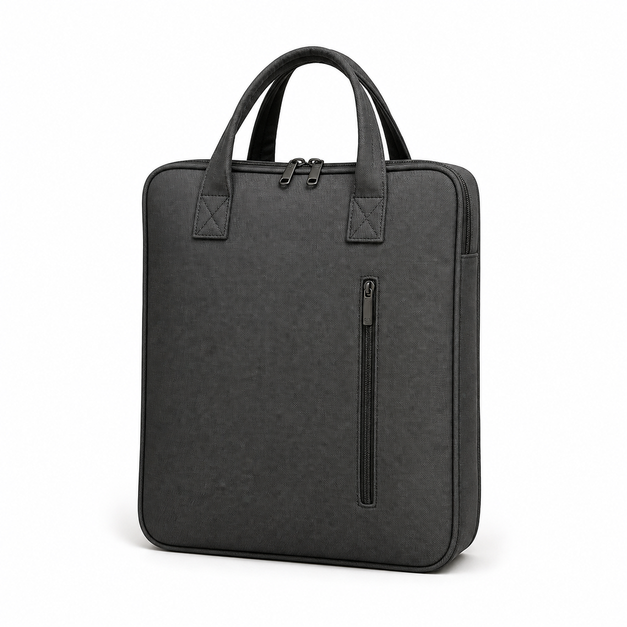
OEM multiway work-bag programs for brands and procurement teams
Reference sizeSpecified to the project brief and confirmed during sampling
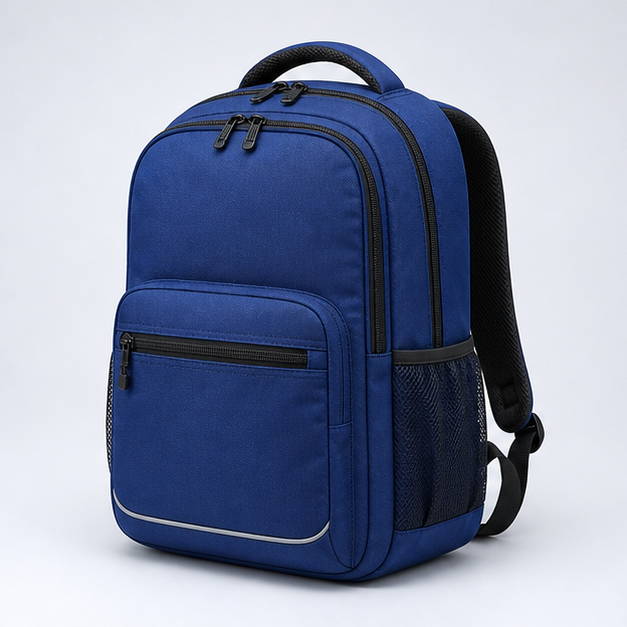
View designSchool-supply brands and education procurement
Reference size45 × 31 × 16 cm
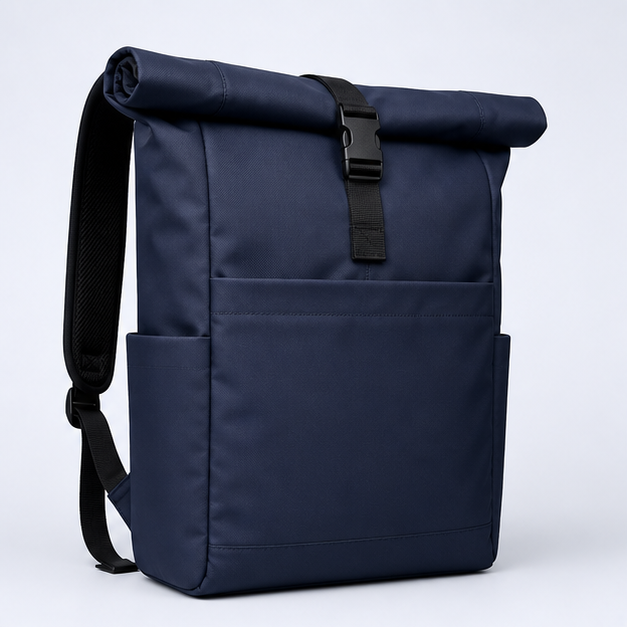
View designUrban-commuter backpack OEM programs
Reference size48 × 30 × 15 cm
View design