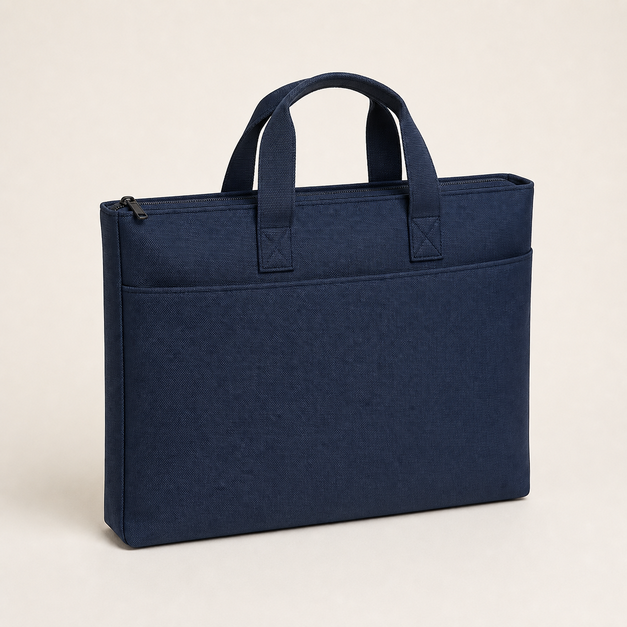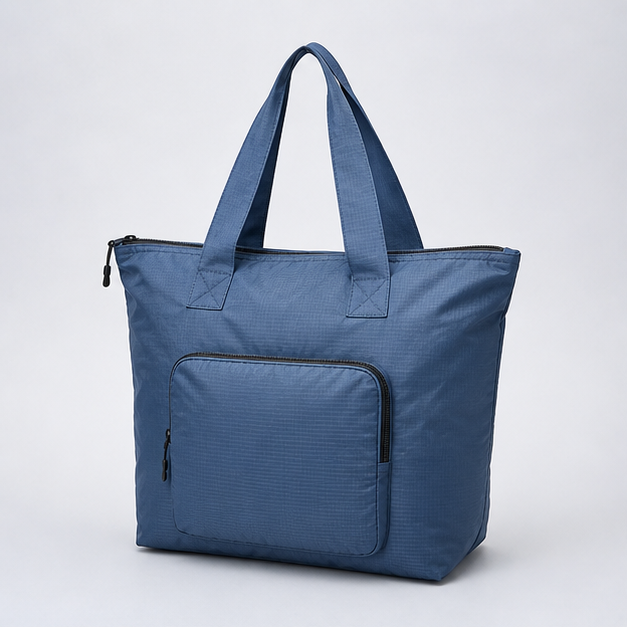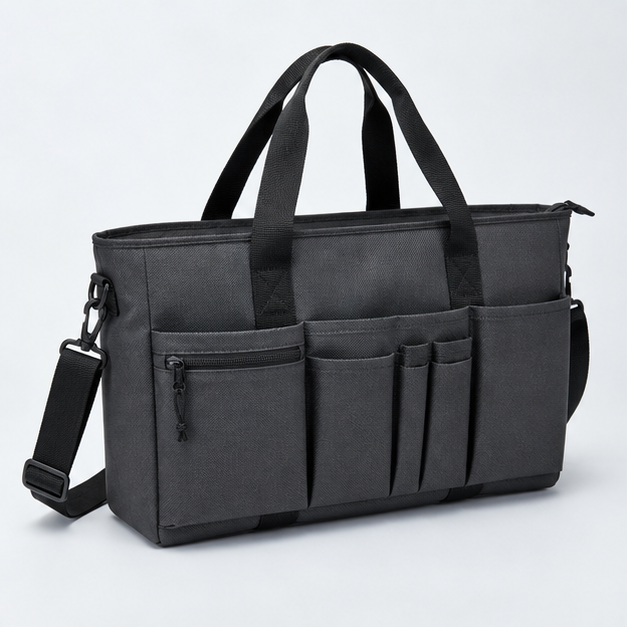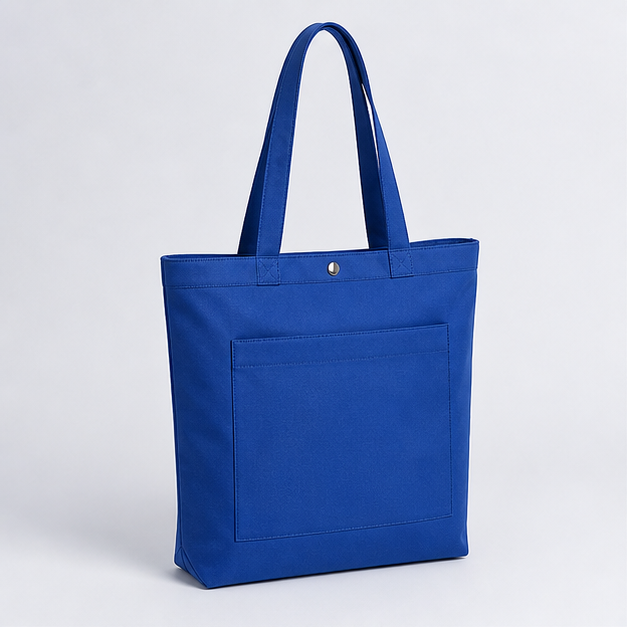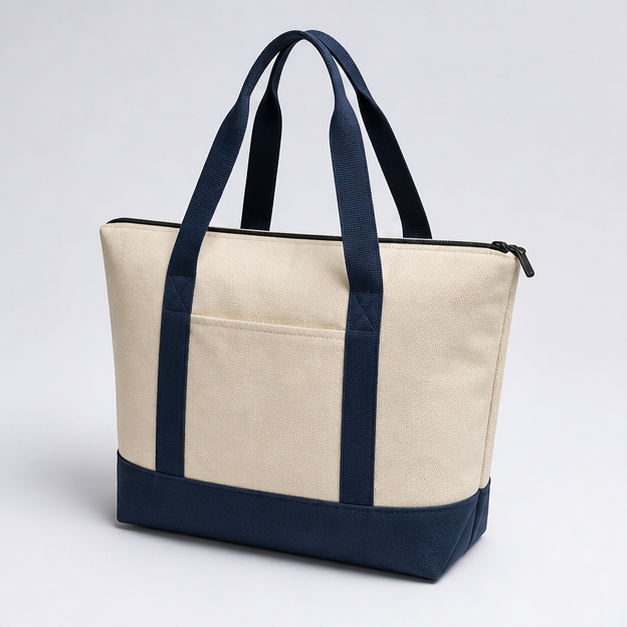
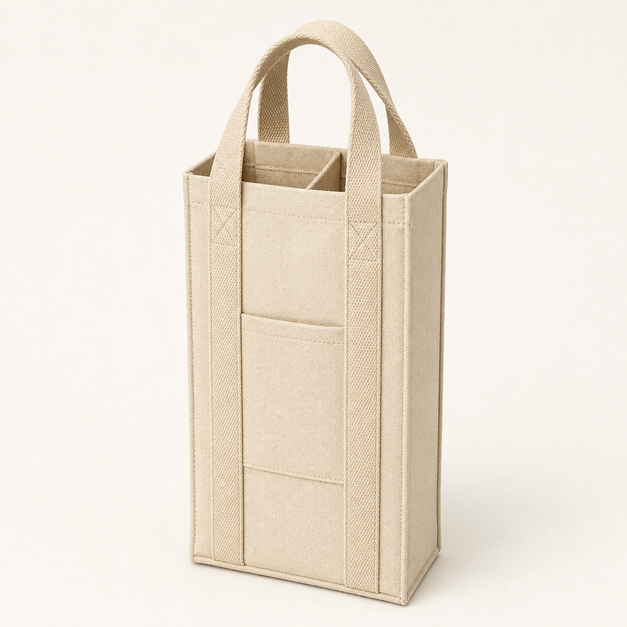
Cellar Divided Bottle Tote
Beverage brands, presentation programs and divided-carrier procurement
Reference sizeSpecified to the project brief
- Bottle-cell proportions
- Divider construction
OEM tote bag manufacturing for wholesale and corporate procurement programs. Compare canvas zip totes, polyester shoppers, utility and foldable formats, then specify handles, closure and branding.
Discuss your tote project B2B manufacturing references. Specification and quantities confirmed through sampling.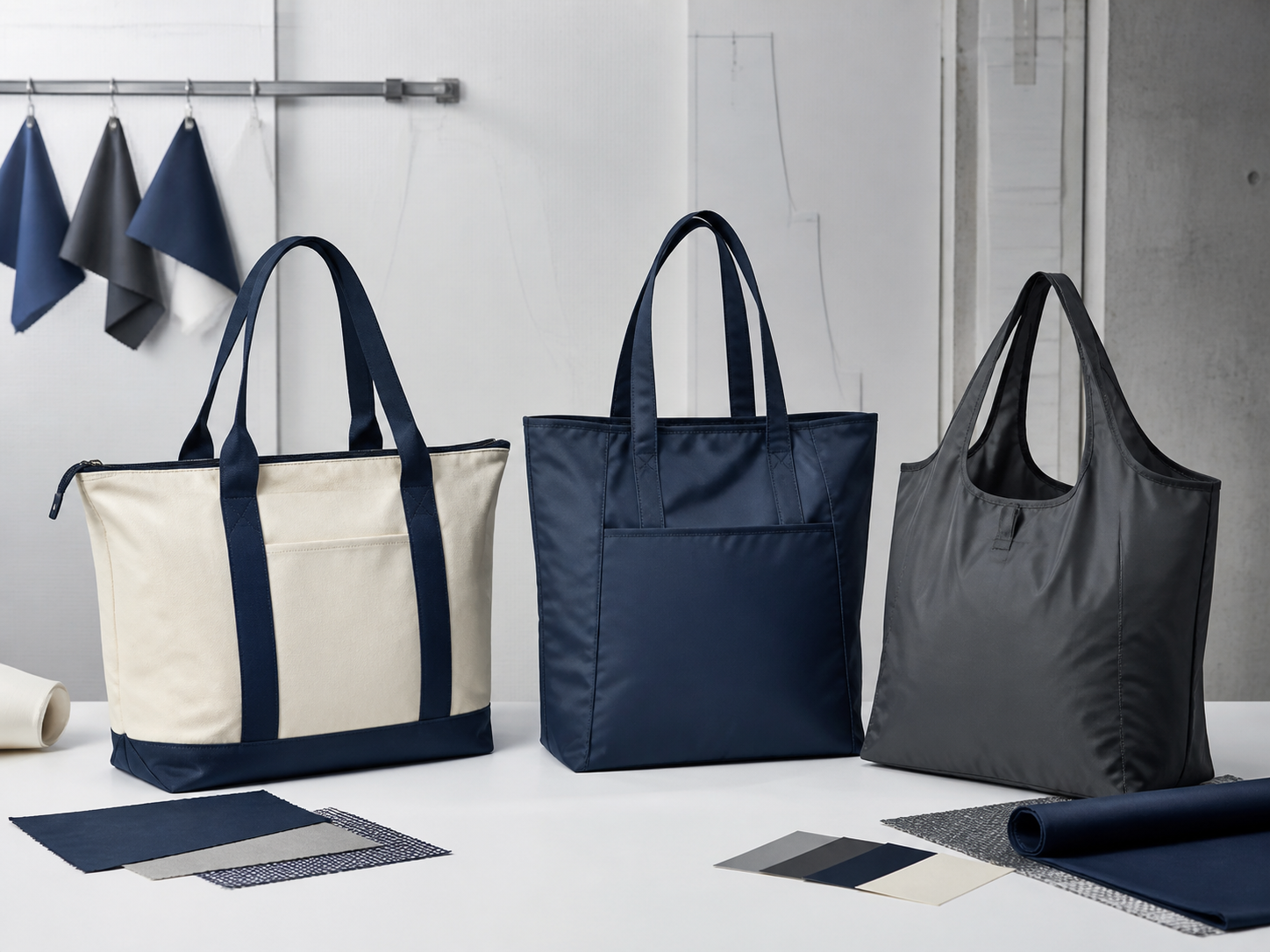
6 development references
Beverage brands, presentation programs and divided-carrier procurement
Reference sizeSpecified to the project brief
Conference organizers, event agencies and delegate-kit procurement
Reference sizeSpecified to the project brief
Travel-brand and corporate promotional procurement
Reference size42 × 36 × 12 cm
Workwear brands and equipment-organizer procurement
Reference size38 × 30 × 16 cm
Wholesale and corporate promotional programs
Reference size40 × 34 × 13 cm
Work-bag brands and wholesale tote programs
Reference size36 × 31 × 12 cm
MATERIALS / TOTE BAGS
A structured utility tote and a fold-away shopper require different starting decisions. Confirm the handle construction and packing format alongside the body fabric.
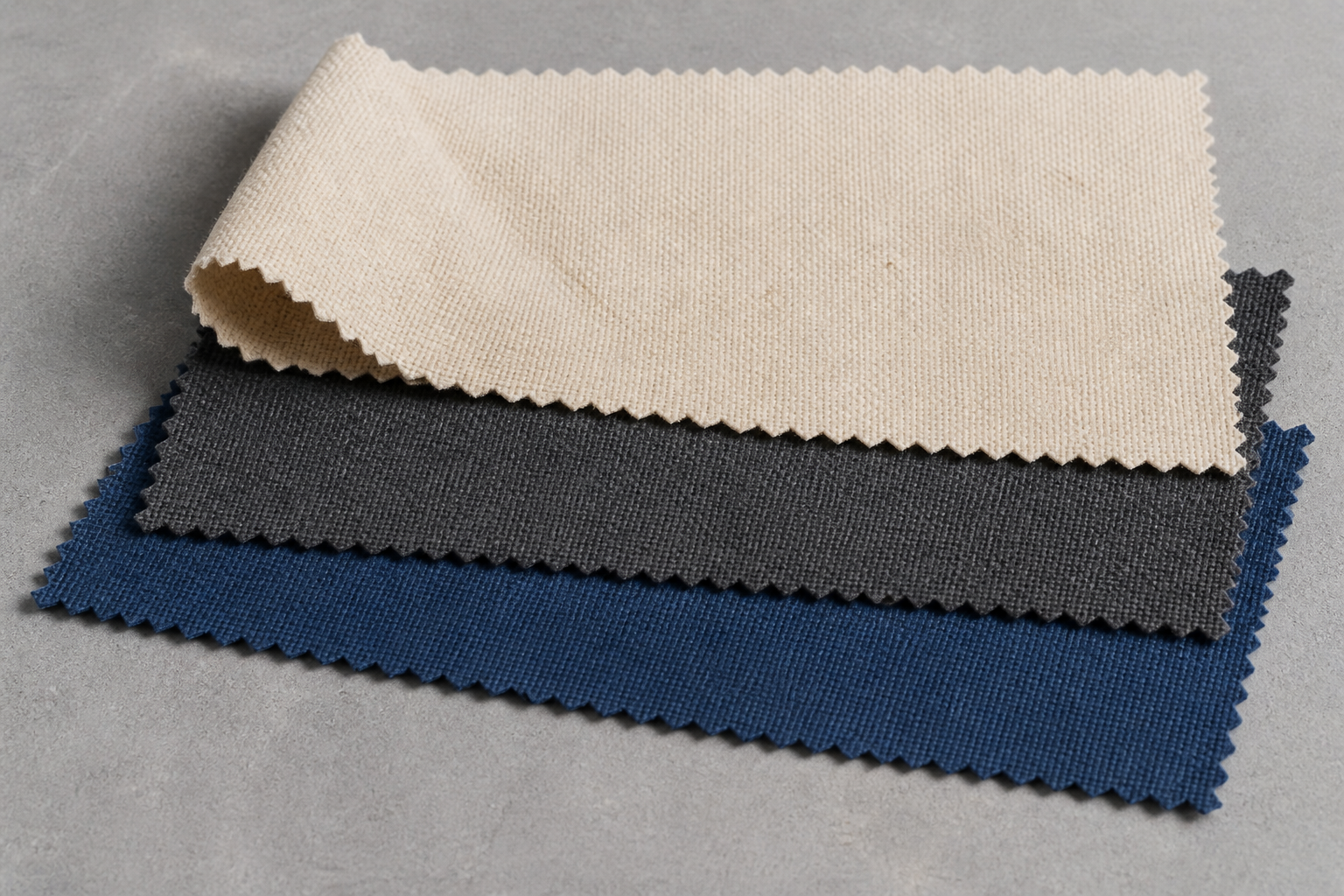
The zip-top reference lists cotton canvas and cotton lining. Review a lighter or heavier canvas as a new specification, with your print or embroidery method in mind.
Approve the shade, hand feel and decorated swatch before committing to the full tote sample.
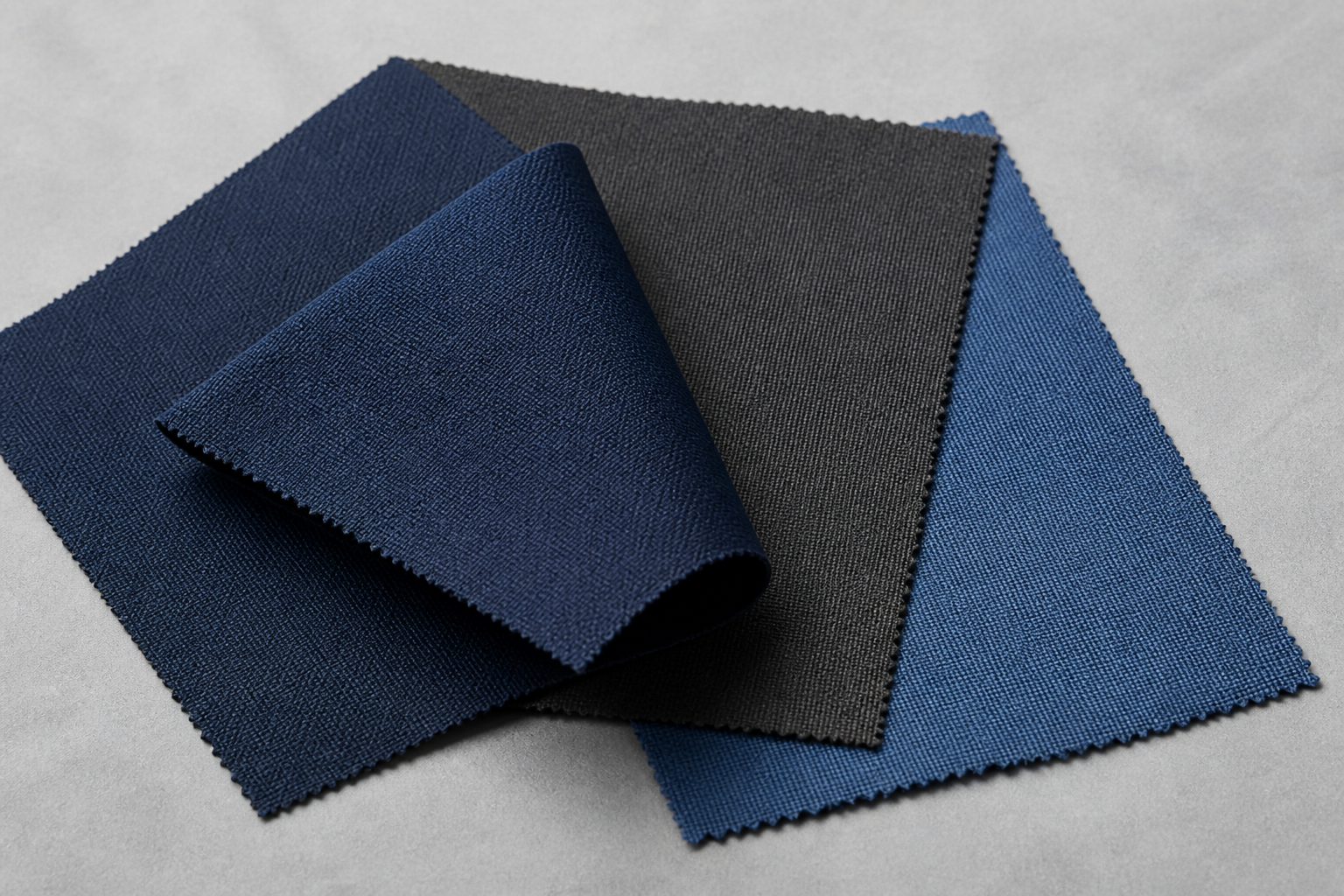
The utility and shopper references use polyester directions. Decide whether the body should stand with support or pack flat before selecting the complete material set.
If recycled content is requested, agree the exact composition and supporting documentation; the design name is not evidence.
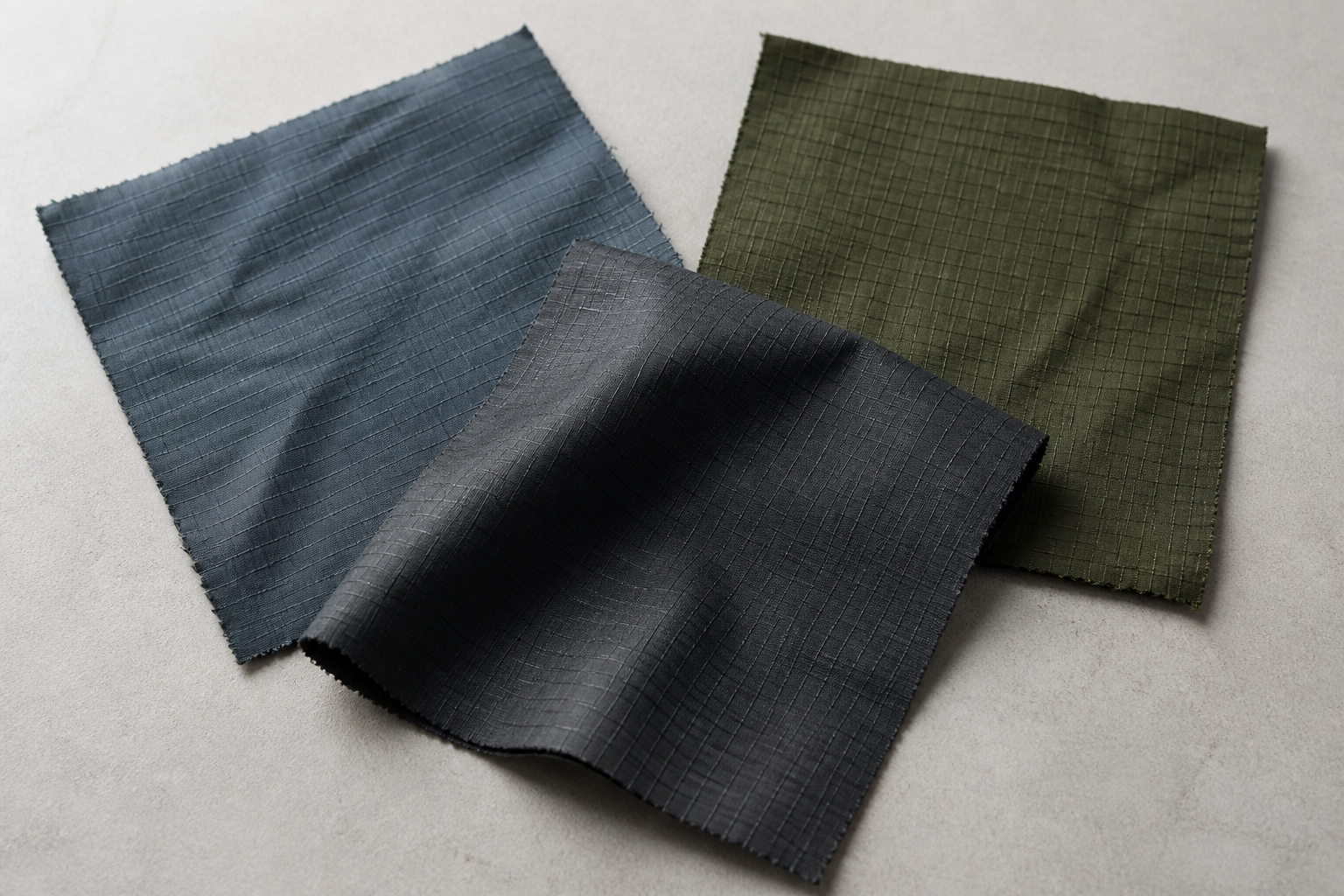
The foldable tote starts with lightweight ripstop and an unlined construction. Its fold format, self-pack pocket and handles must be considered as one system.
Check the packed sample size and the effort needed to fold and unfold it with the chosen fabric.
Illustrative material studies, not verified swatches or test results. Final composition, construction and any performance claim require approval and supporting evidence.
CONSTRUCTION WORKSHOP
Review these decisions alongside the chosen format. The pictured designs are examples; your final layout is defined through sampling.
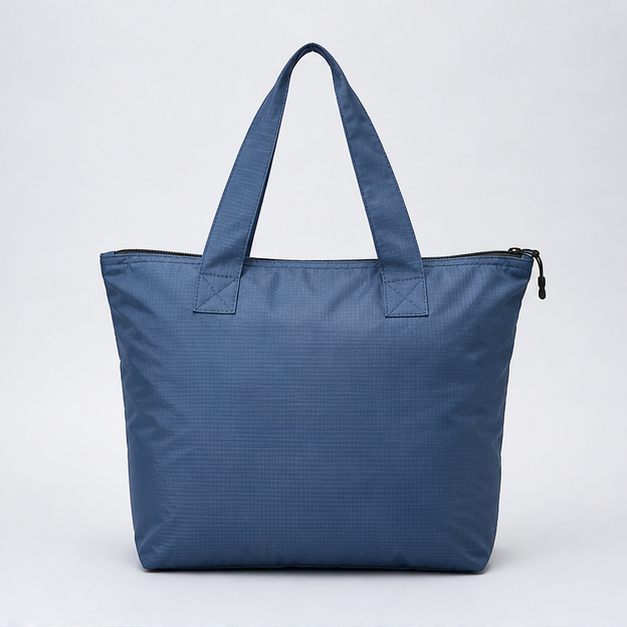
Set the handle drop for hand carry, shoulder carry or both. Consider coats, intended load and the amount of body space used by the attachment area.
Buyer questionWhat carry position should the sample demonstrate?
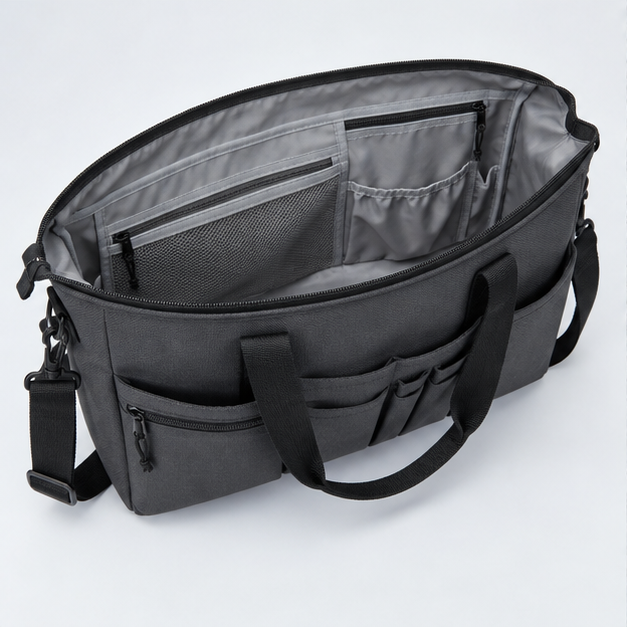
Choose between an open top and a zip closure, then place internal pockets where they remain usable when the tote is filled.
Buyer questionWhich items need to stay separate from the specified main-compartment load?
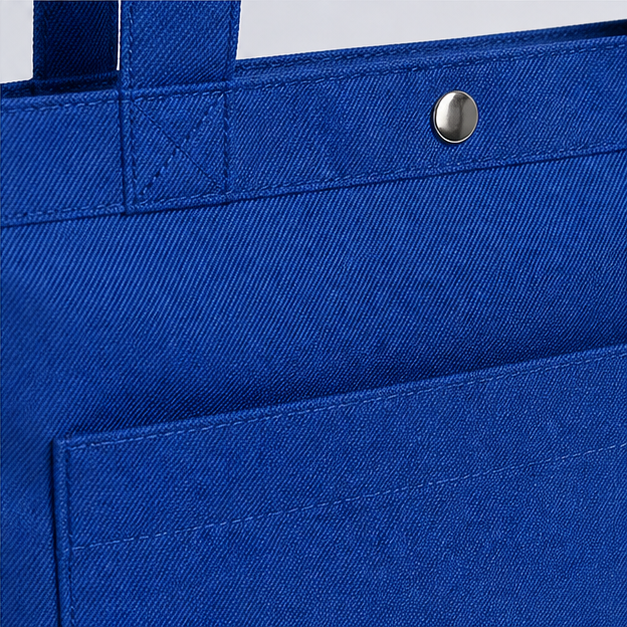
Define the gusset and whether a removable or fixed base support is needed. Confirm the finished bag still suits the intended flat or folded packing format.
Buyer questionShould the tote stand for display or fold for distribution?
Choose the carrying task first, then decide how much structure, organization and packing efficiency the program needs.
Tell us what the bag carries and whether it is held by hand or worn over the shoulder. Agree handle drop and reinforcement at sampling.
Choose between an open shopper, secure zip-top, divided utility tote or self-pack format. More structure changes folded volume.
Send print size, colors and material preferences. Any recycled-content claim needs the selected material and supporting documentation agreed.
CATEGORY DEVELOPMENT
The general manufacturing route is the same; these are the decisions specific to tote bags.
Send contents, handle-drop preference and wholesale distribution or corporate promotional use.
A tote format and preliminary dimensions.
Supply artwork size, colors and the desired print or embroidery placement.
A material and decoration combination for sampling.
Fill the sample, check the opening and handles, then try the proposed packing method.
An approved carry and packing reference.
Review quantity by design and color, artwork versions and label requirements.
An agreed style/color matrix and packing instructions.
Confirm the sample before bulk production. Quantities, colors and timing are agreed for your actual specification.