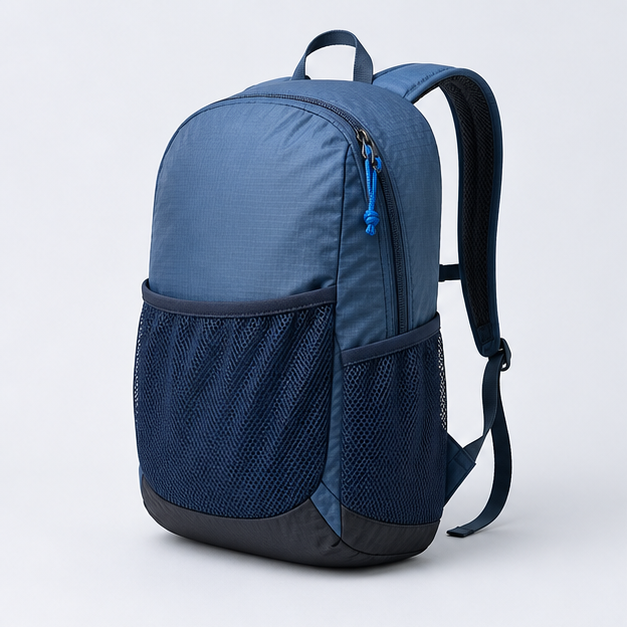
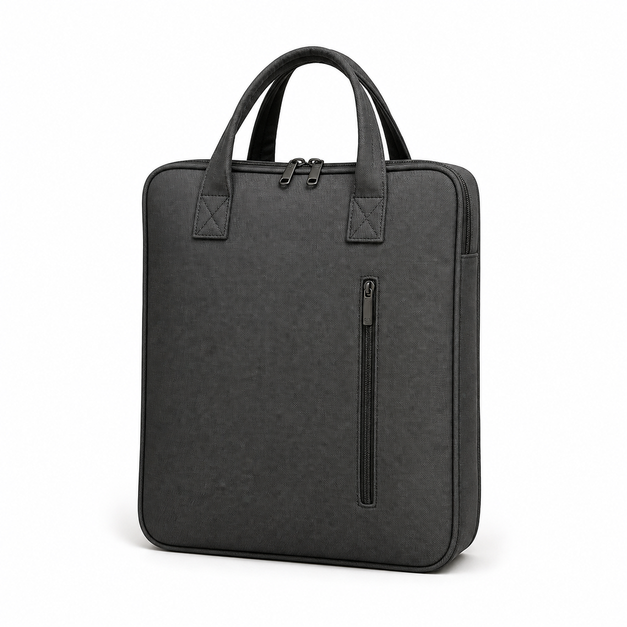
Axis Convertible Tote Backpack
OEM multiway work-bag programs for brands and procurement teams
Reference sizeSpecified to the project brief and confirmed during sampling
- Carry conversion layout
- Shell and lining selection
OEM backpack manufacturing for brands, importers and distributors. Compare school, laptop, daypack and roll-top specifications, then define fit, pockets, fabrics and strap construction.
Discuss your backpack project B2B manufacturing references. Specification and quantities confirmed through sampling.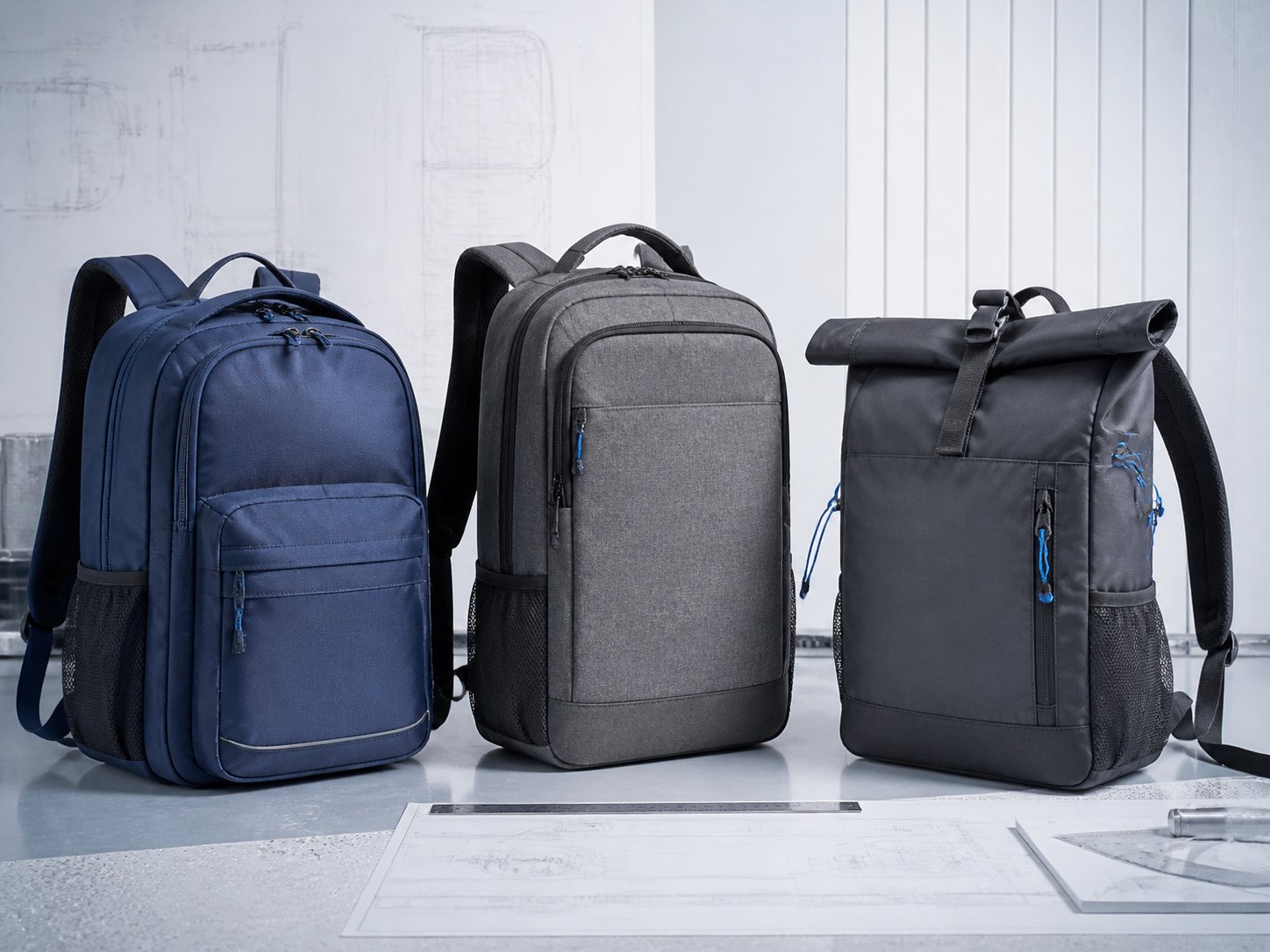
6 development references
OEM multiway work-bag programs for brands and procurement teams
Reference sizeSpecified to the project brief and confirmed during sampling
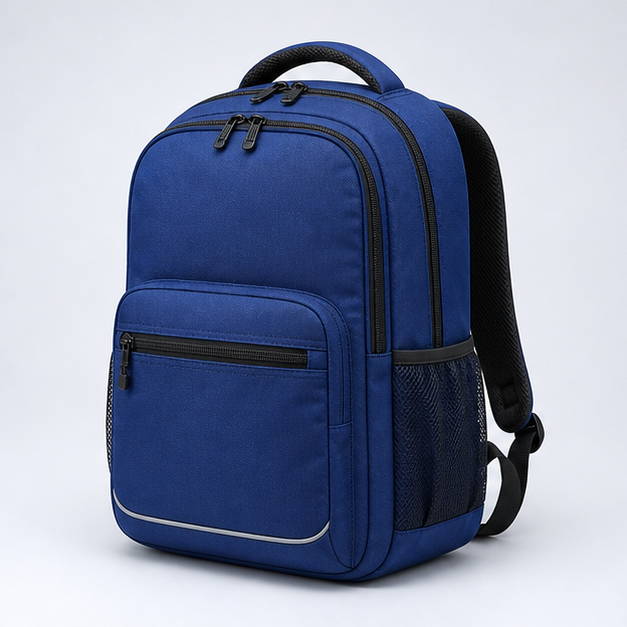
School-supply brands and education procurement
Reference size45 × 31 × 16 cm
Urban-commuter backpack OEM programs
Reference size48 × 30 × 15 cm
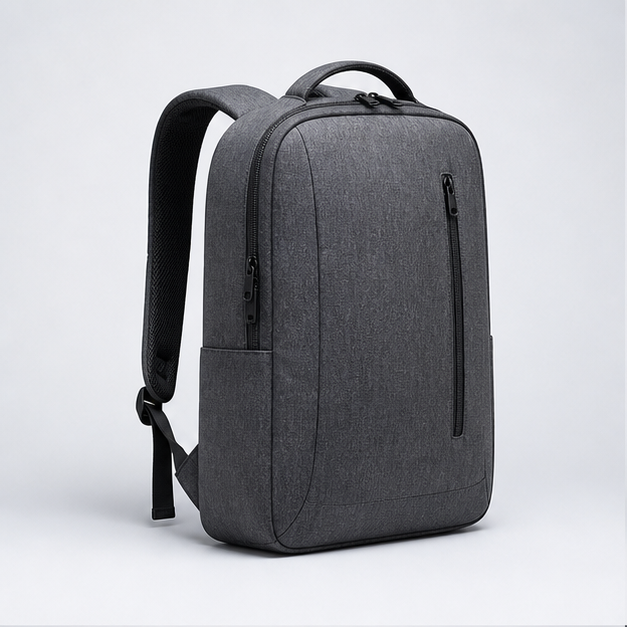
OEM laptop bag ranges for work-bag brands
Reference size44 × 30 × 14 cm
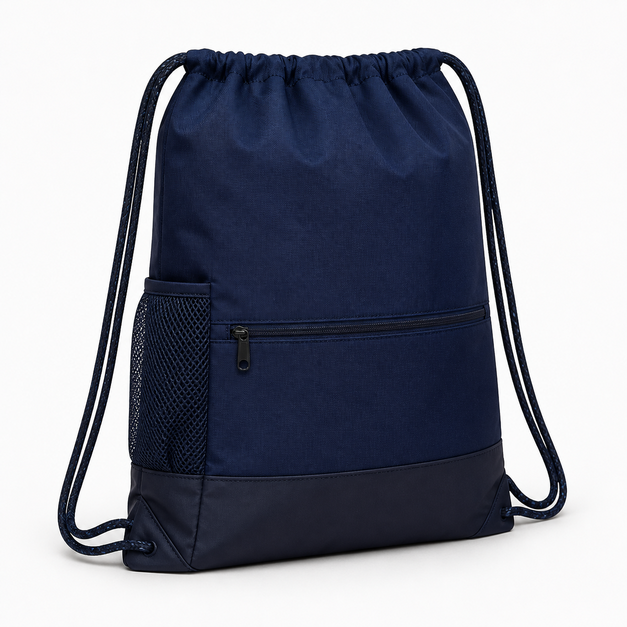
OEM sports, event and active-program bag ranges
Reference sizeSpecified to the project brief and confirmed during sampling
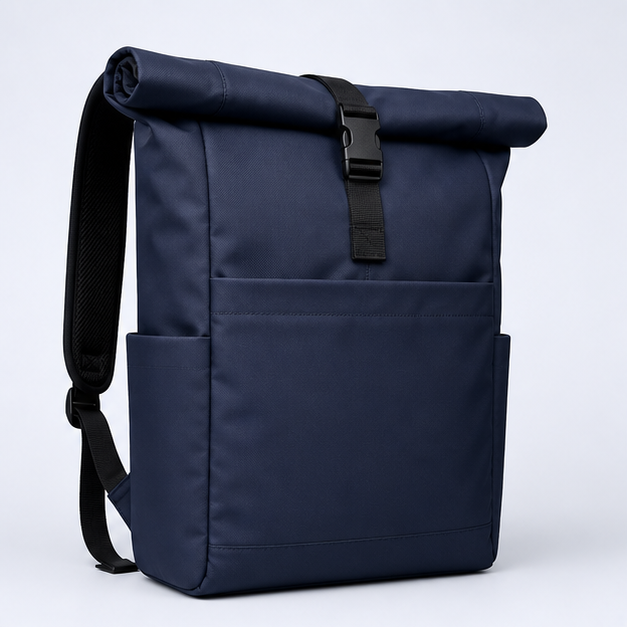
Outdoor-brand and distributor procurement
Reference size43 × 29 × 15 cm
MATERIALS / BACKPACKS
The shell, lining and carry system need to be reviewed together. A school bag, work backpack and packable daypack should not start with the same material brief.
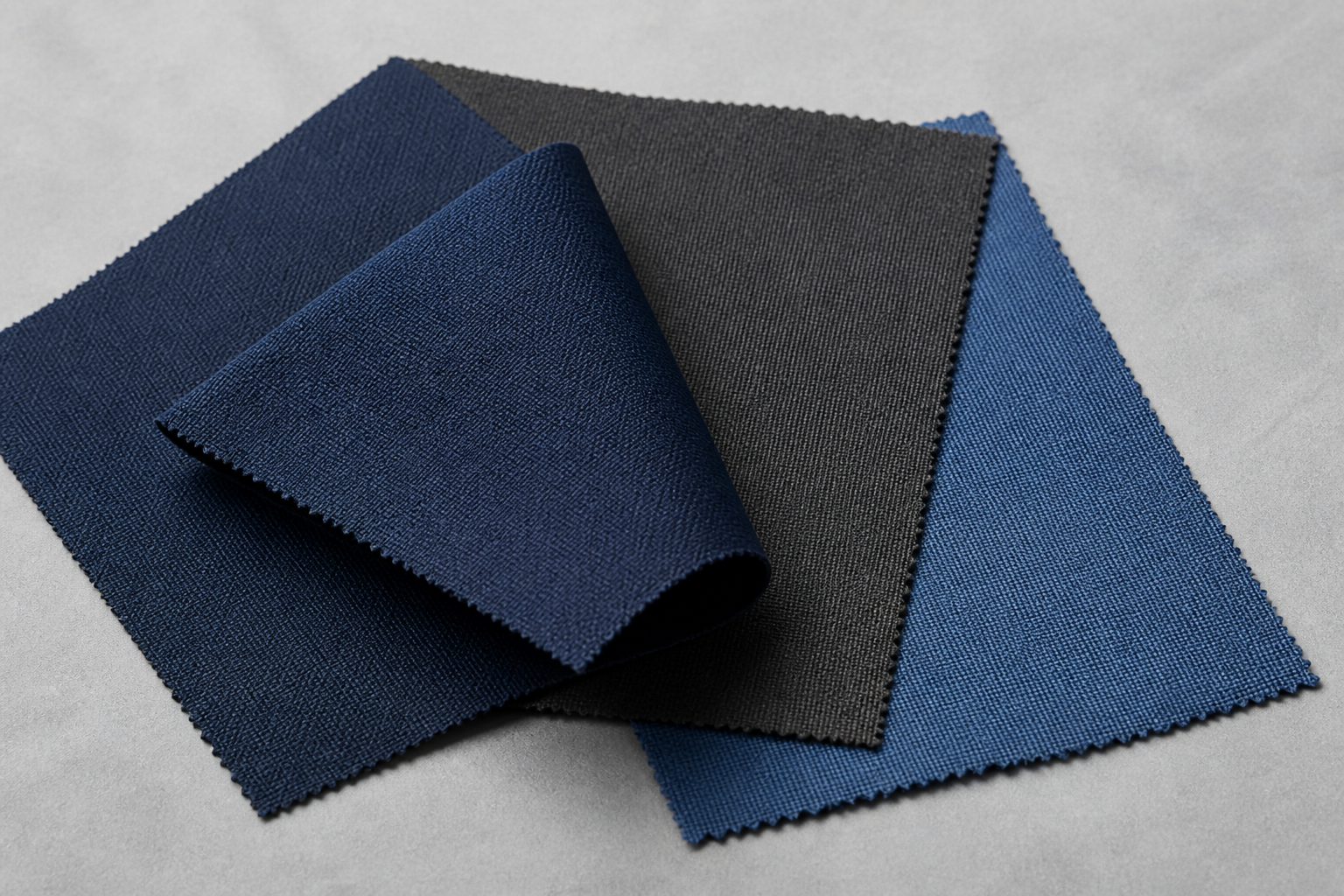
For school and work-bag directions, start with the listed polyester reference and decide whether to keep its surface character or develop a different finish.
Specify weave, color, hand feel and any backing. Compare the sewn sample, not only a flat swatch.
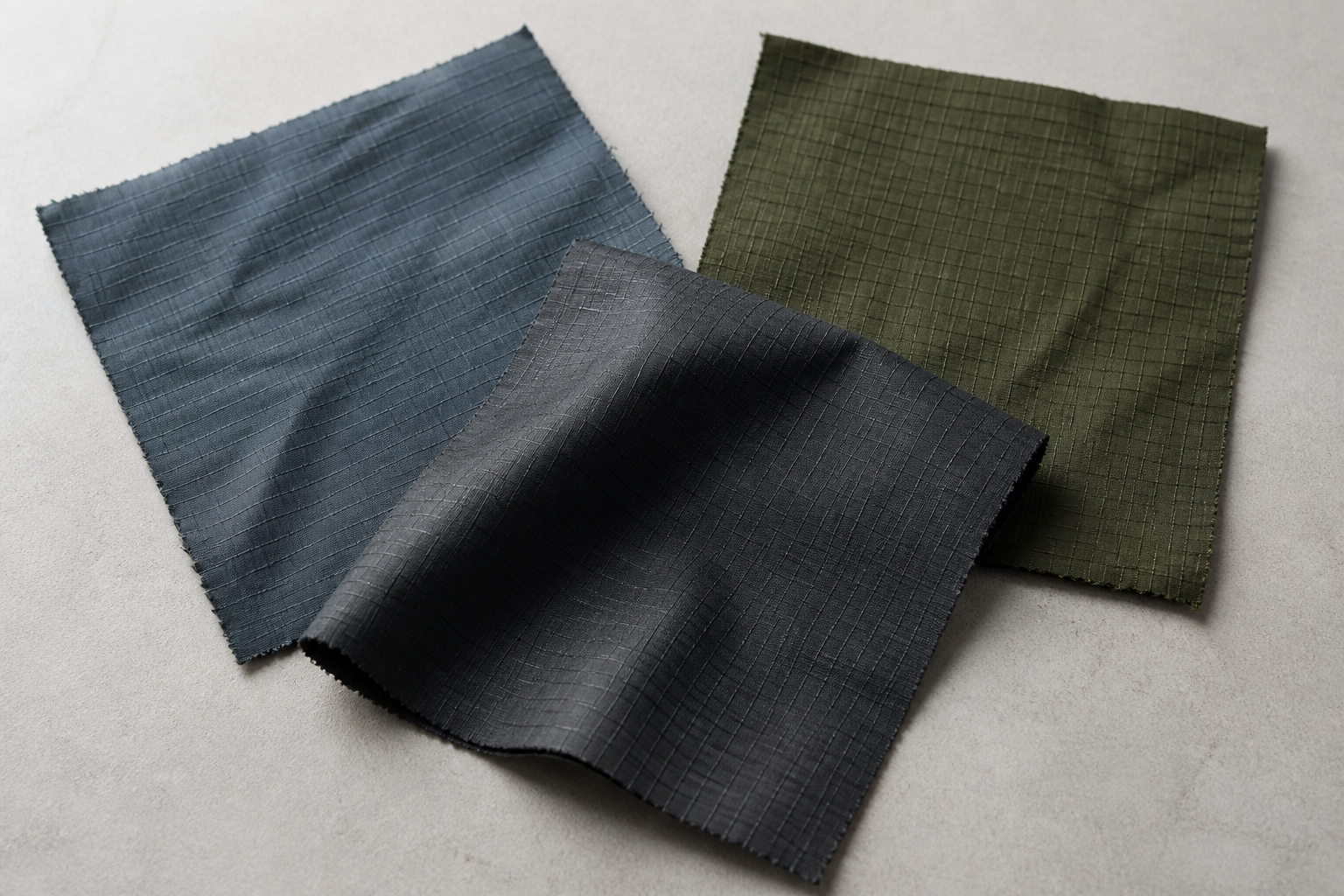
The daypack reference uses ripstop nylon. The roll-top reference instead starts with coated polyester; a ripstop substitution is a separate development choice.
Confirm fiber composition and weight, then review how the fabric behaves around folds, pockets and strap attachments.
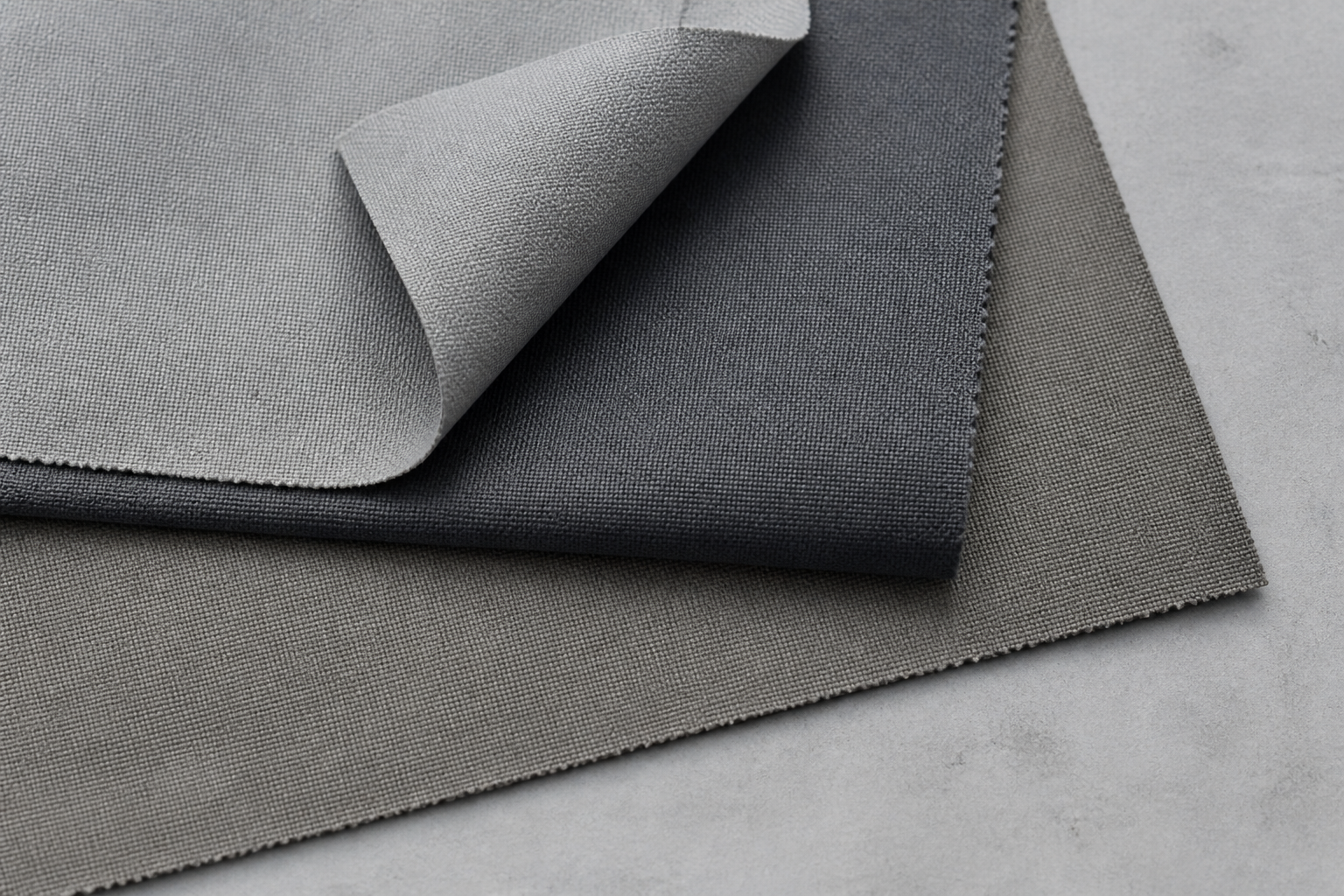
Select a lining color that works with the bag contents, then define where the laptop area, back panel and shoulder straps need padding.
Ask for separate lining and padding samples. Thickness, coverage and feel are approval points, not fixed values across the range.
Illustrative material studies, not verified swatches or test results. Final composition, construction and any performance claim require approval and supporting evidence.
CONSTRUCTION WORKSHOP
Review these decisions alongside the chosen format. The pictured designs are examples; your final layout is defined through sampling.
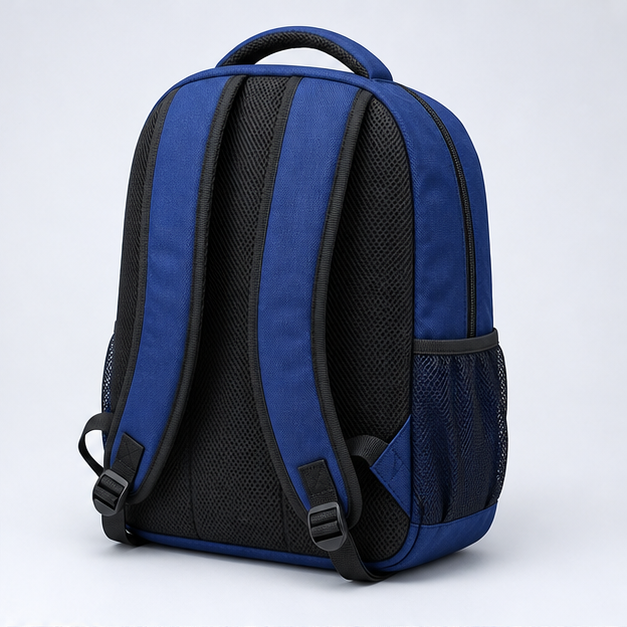
Define who will carry the backpack and how it is loaded. Discuss strap length, width, adjustment range and where the attachments meet the body.
Buyer questionWhat should the loaded sample feel like on the intended wearer?
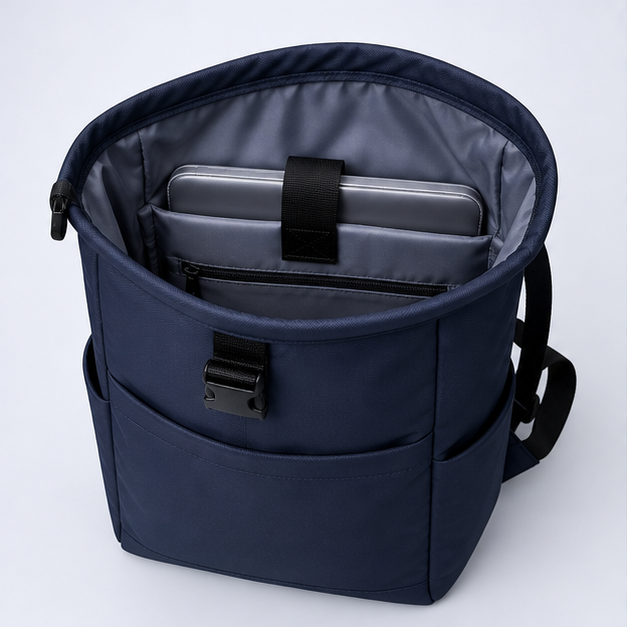
Choose the opening first, then map bottle pockets, device storage and quick-access items around it. A new pocket can change the available space in another compartment.
Buyer questionWhich items must be reachable without opening the main compartment?
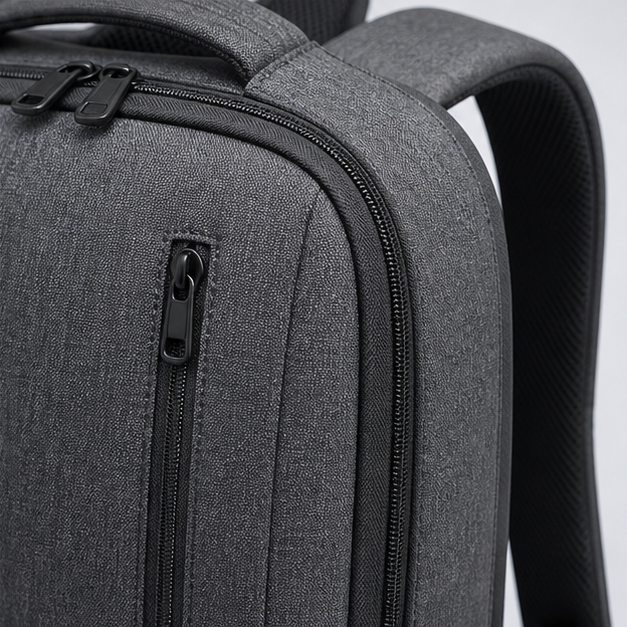
Agree zipper direction, opening length and puller format with the pocket layout. Check whether the user can reach and operate each opening with the bag packed.
Buyer questionWill the sample be operated with one hand or while being worn?
Start with the carried contents and the person wearing the bag. A school program, laptop range and day-trip pack need different layouts even when their external sizes look similar.
Send the largest device, books or equipment dimensions. Agree which items need separate access before choosing pocket positions.
Describe the user group and expected load. Review strap width, padding and back-panel construction on a loaded sample.
Share artwork, colors and intended logo locations. Pocket seams and straps affect the usable decoration area.
CATEGORY DEVELOPMENT
The general manufacturing route is the same; these are the decisions specific to backpacks.
Provide laptop, books, bottles or travel kit dimensions and the intended user.
A contents-led compartment plan and reference size.
Choose shell, lining, padding locations and strap configuration together.
A material and trim list tied to the chosen backpack format.
Check fit, access, strap adjustment and balance using the actual contents.
Marked sample comments, with accepted changes recorded.
Confirm artwork, colors, approved construction and individual packing.
A signed-off specification and a bulk check list.
Confirm the sample before bulk production. Quantities, colors and timing are agreed for your actual specification.