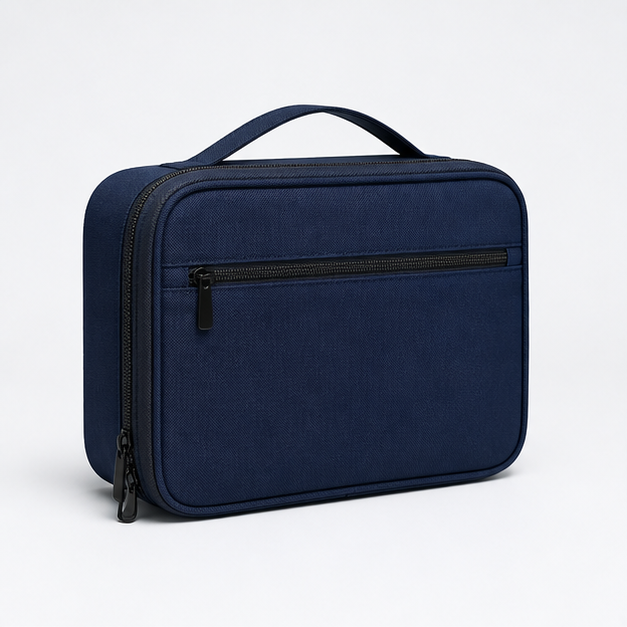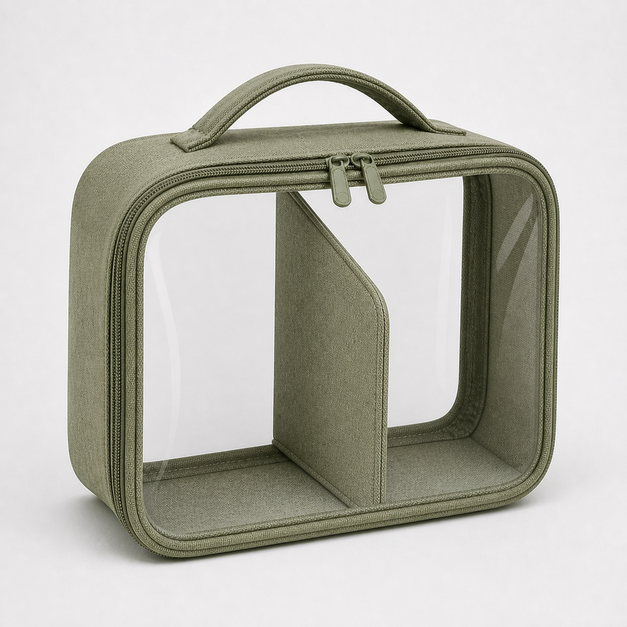
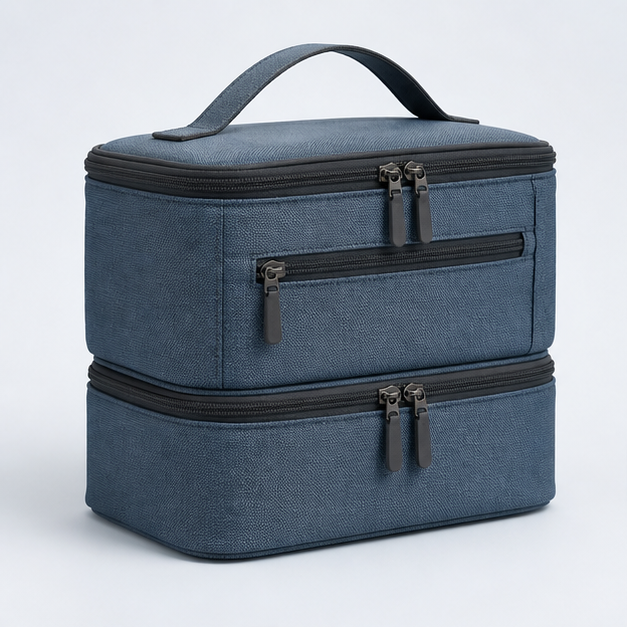
Dual-Compartment Travel Makeup Bag
Beauty-brand travel collection development
Reference size25 × 17 × 14 cm
- Compartment layout
- Lining color
OEM cosmetic and makeup bag manufacturing for beauty brands and distributors. Compare train cases, hanging toiletry formats, dual-compartment bags and canvas pouches for defined packing specifications.
Discuss your cosmetic bag project B2B manufacturing references. Specification and quantities confirmed through sampling.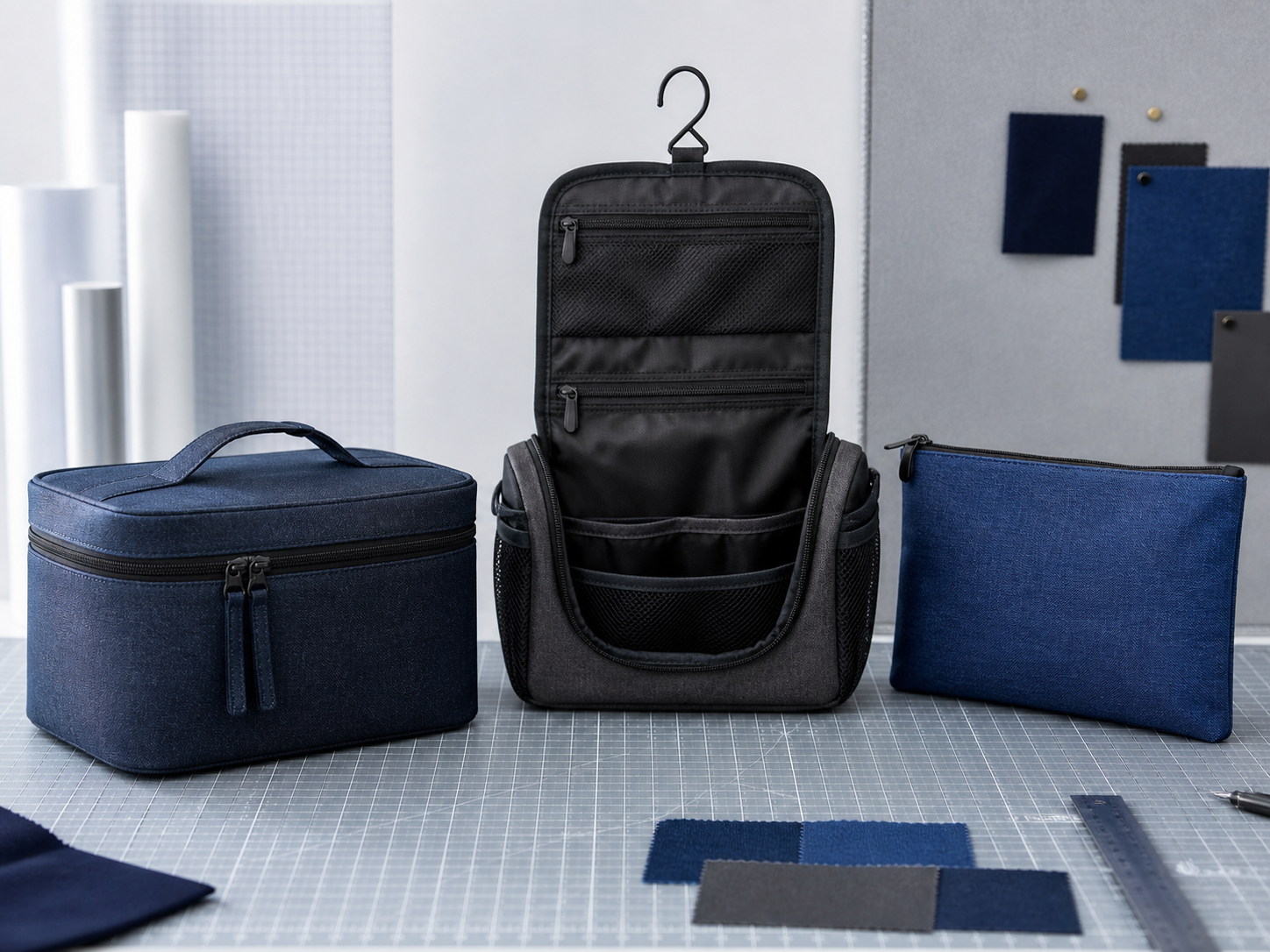
6 development references
Beauty-brand travel collection development
Reference size25 × 17 × 14 cm
Beauty-brand sets and wholesale cosmetic procurement
Reference size22 × 15 × 5 cm
Travel-brand and hospitality procurement
Reference size26 × 20 × 9 cm
Beauty-brand and wholesale cosmetic programs
Reference size24 × 18 × 15 cm
Beauty brands, brush-set programs and private-label cosmetic organization
Reference sizeSpecified to the project brief
Beauty brands, organized cosmetic programs and private-label travel sets
Reference sizeSpecified to the project brief
MATERIALS / COSMETIC BAGS
Start with the bottles, brushes and palettes that the bag must hold. Shell appearance is one decision; lining, dividers and pocket materials are equally important.
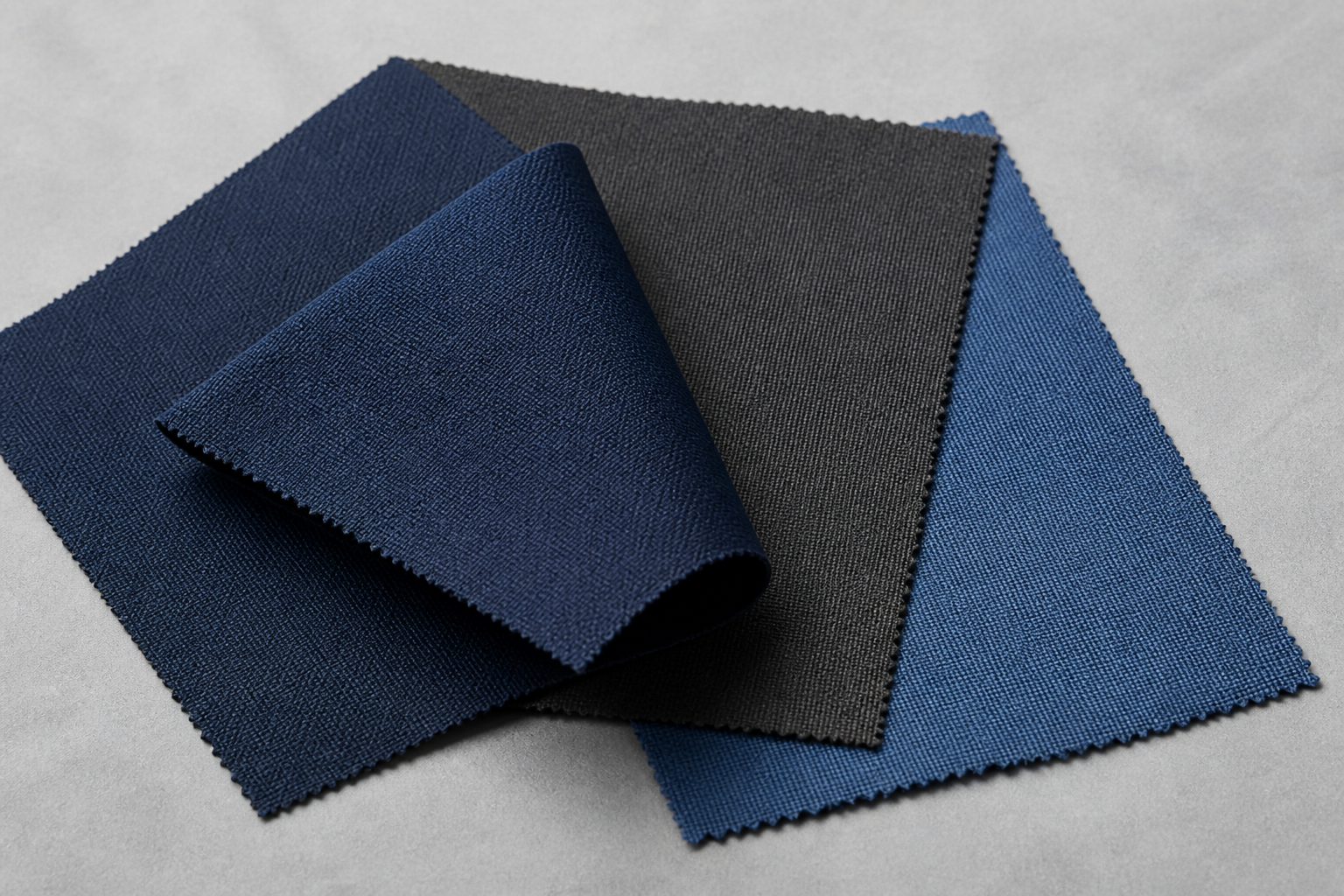
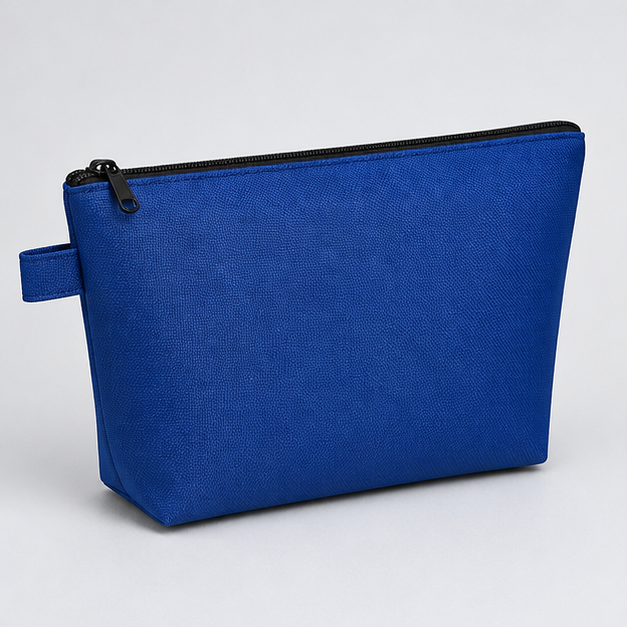
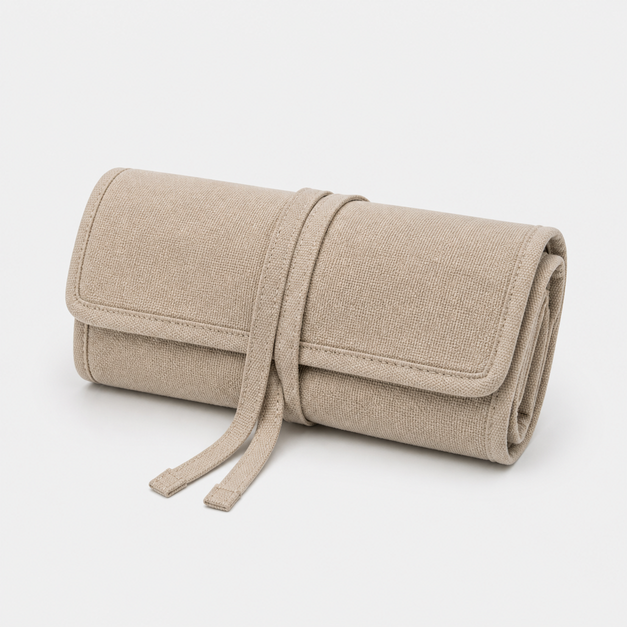
Polyester directions cover structured cases and travel organizers; the flat pouch also offers a canvas starting point.
Review the selected shell with the intended shape, seams and decoration rather than comparing appearance alone.
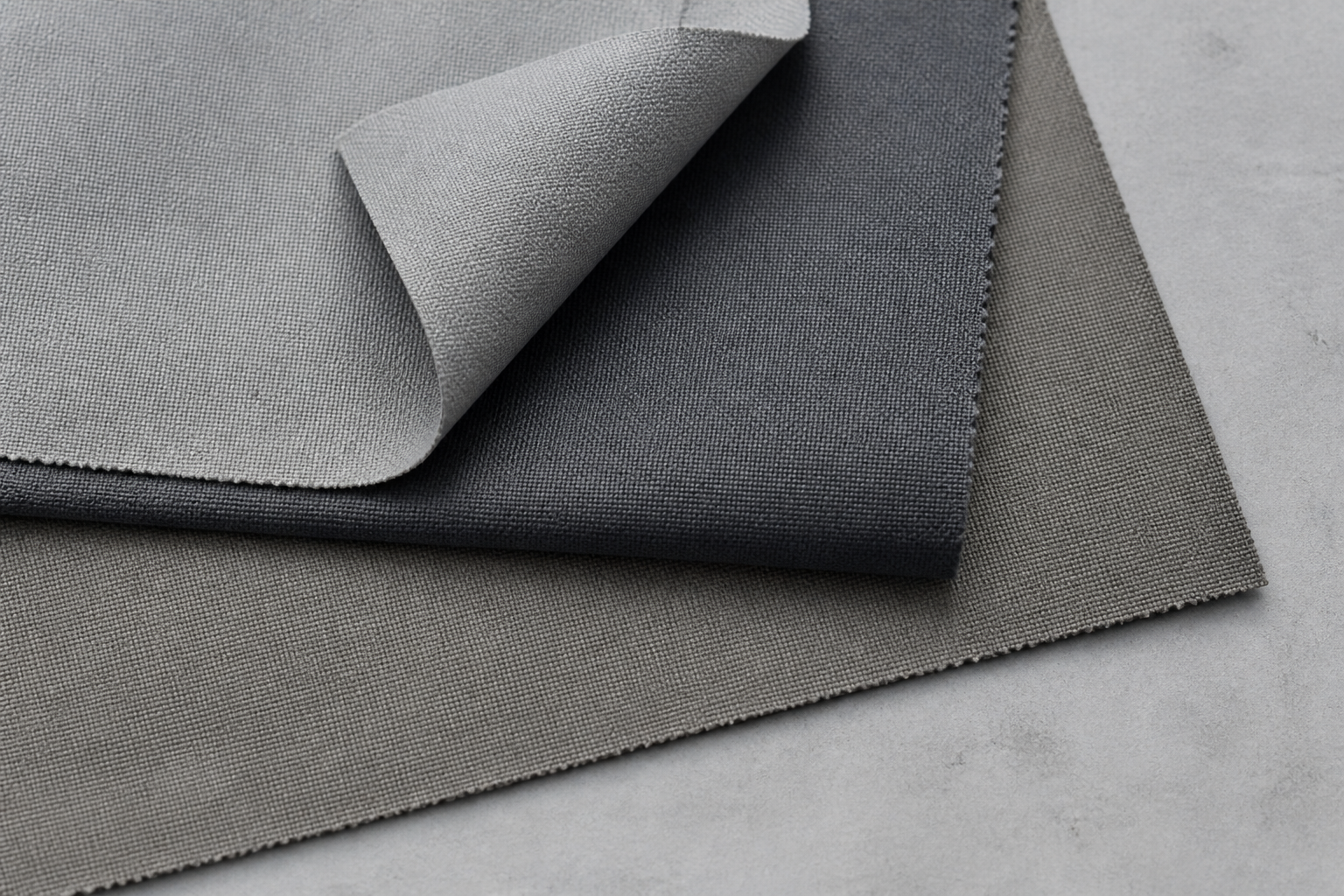
Several references specify a wipe-clean lining direction. Agree the actual lining material and finish, and the cleaning method expected by the buyer.
Review a sample using the intended cleaning routine. No stain resistance or leakproof claim is assumed.
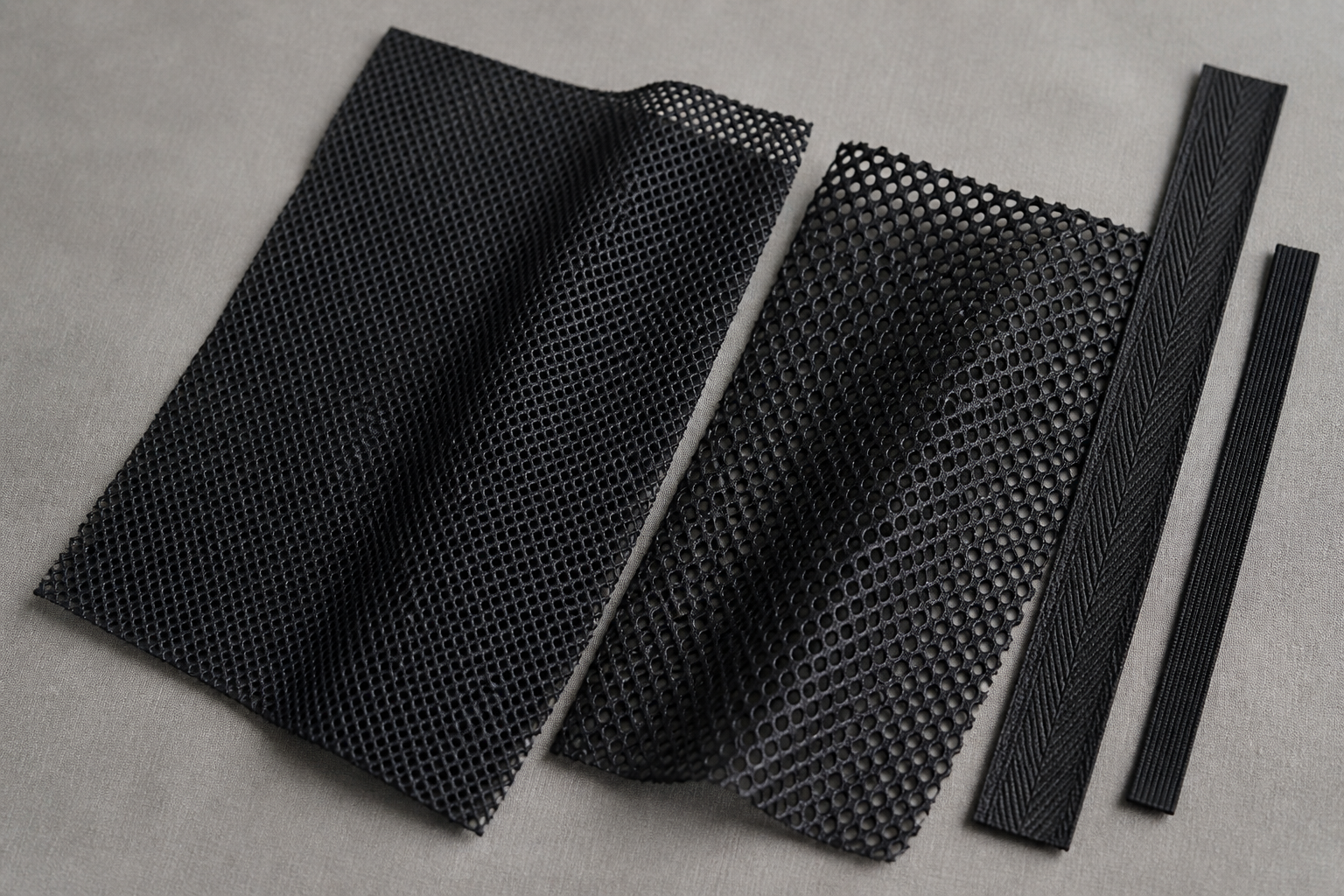
Mesh pockets, brush retainers and dividers can be developed around an actual toiletry kit. They are not a standard insert shared by every format.
Confirm pocket visibility, opening sizes and how the internal edges are finished.
Illustrative material studies, not verified swatches or test results. Final composition, construction and any performance claim require approval and supporting evidence.
CONSTRUCTION WORKSHOP
Review these decisions alongside the chosen format. The pictured designs are examples; your final layout is defined through sampling.
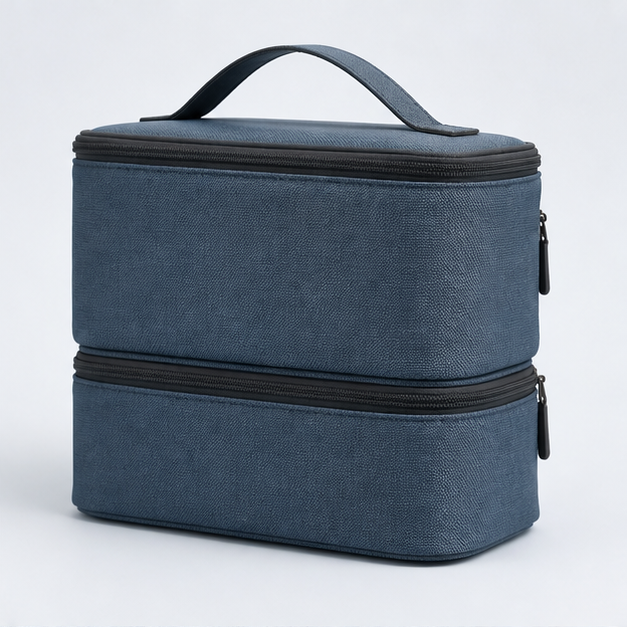
Send representative bottle and brush sizes. Decide which pieces should stand upright and which can lie flat.
Buyer questionCan every item fit without pressing against the zipper or lid?
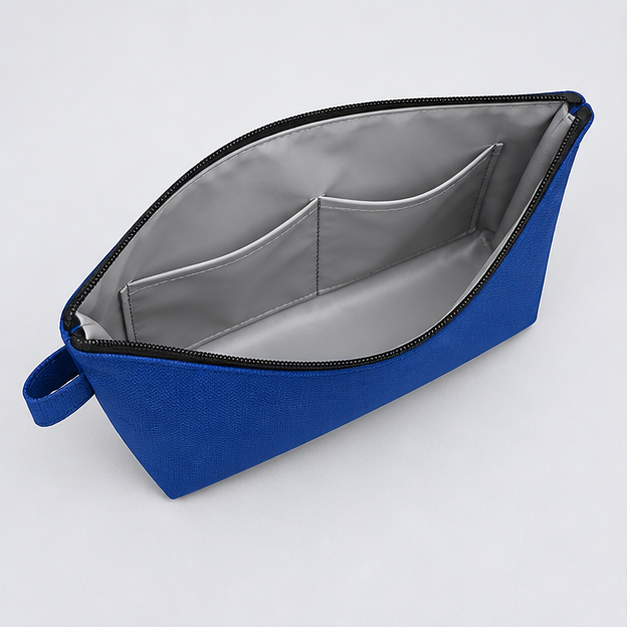
Choose fixed dividers, adjustable sections or a simple open interior. Extra separation should be balanced against usable space.
Buyer questionWhich contents need individual retention rather than another loose pocket?
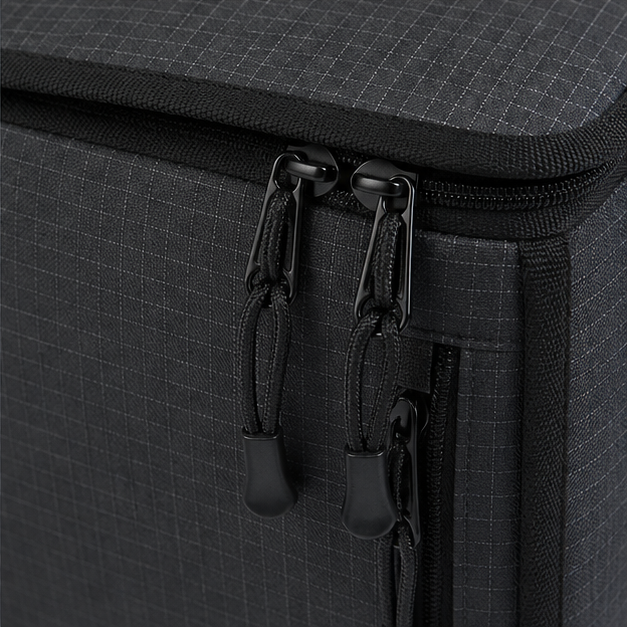
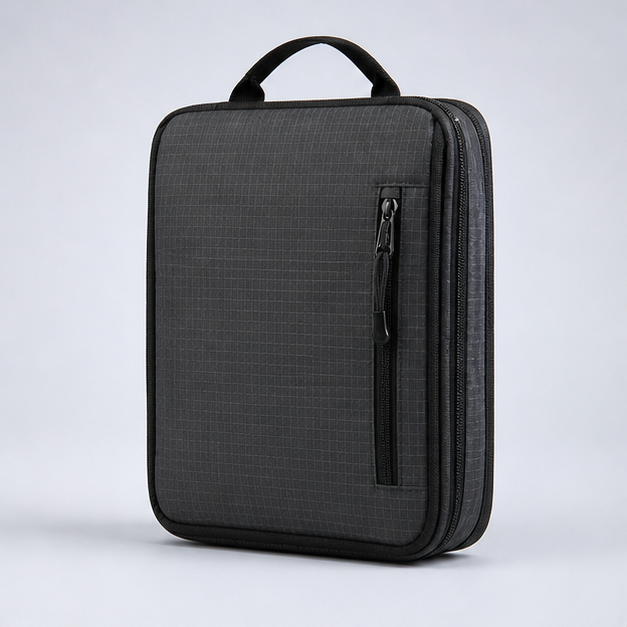
A hanging organizer needs different handling checks from a train case or flat pouch. Define the loaded opening position and where the user grips the bag.
Buyer questionWill the bag be used hanging, on a counter, or inside another bag?
Bottle sizes, brushes and how the bag is opened matter more than adding pockets everywhere. Share the actual items or a dimensioned contents list.
Provide the tallest bottle, brush length and the kit layout. Decide whether items sit upright, lie flat or need individual retention.
Specify likely product contact and preferred cleaning method. Review lining, seams and any cleaning requirement on the sample.
Clarify whether the bag is sold alone or filled as a branded product set. Confirm logo position, packing size and the opening experience.
CATEGORY DEVELOPMENT
The general manufacturing route is the same; these are the decisions specific to cosmetic bags.
Provide bottle, brush and palette dimensions or a reference kit.
A layout showing the intended organization.
Review shell, lining, mesh, dividers and trim colors.
An agreed material set for the chosen format.
Open, close, carry or hang the sample with the intended kit inside.
Comments on clearance, pocket reach and handling.
Check decorated panels, labels and the individual packing method.
A final sample reference and packing specification.
Confirm the sample before bulk production. Quantities, colors and timing are agreed for your actual specification.