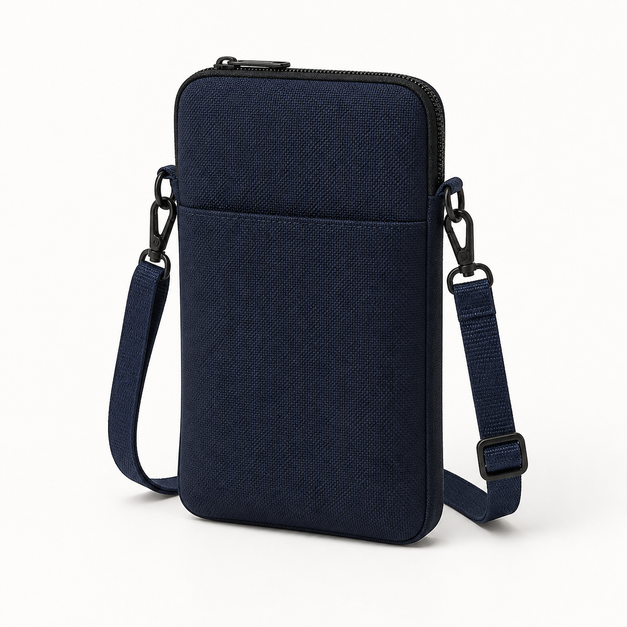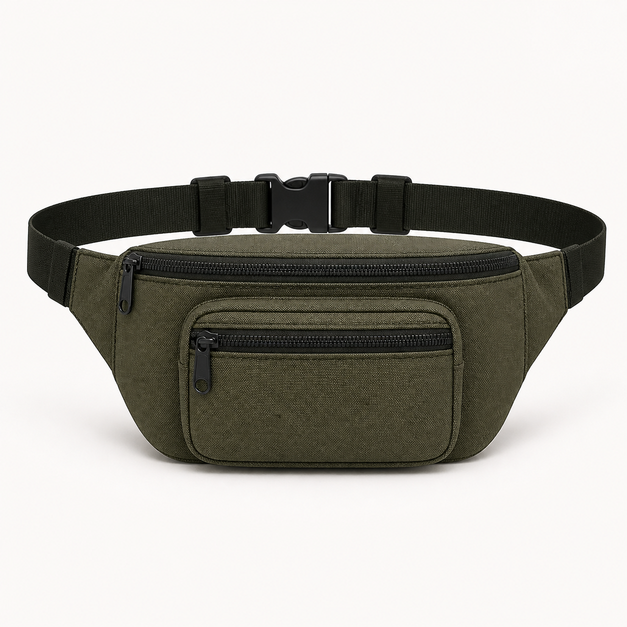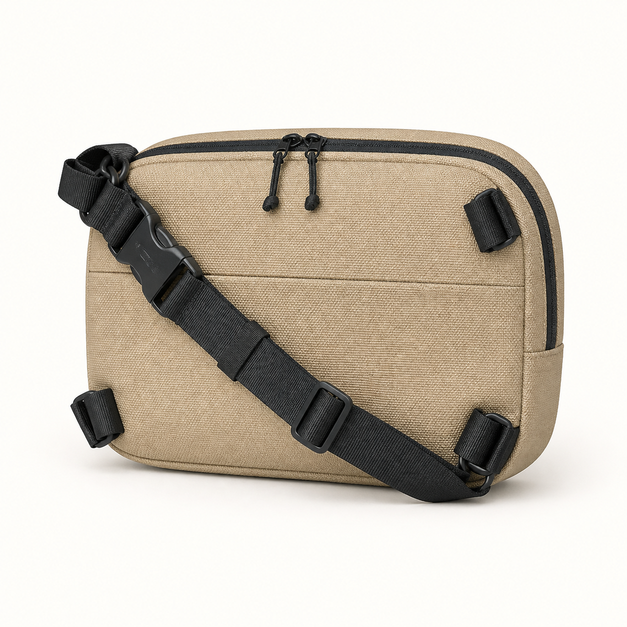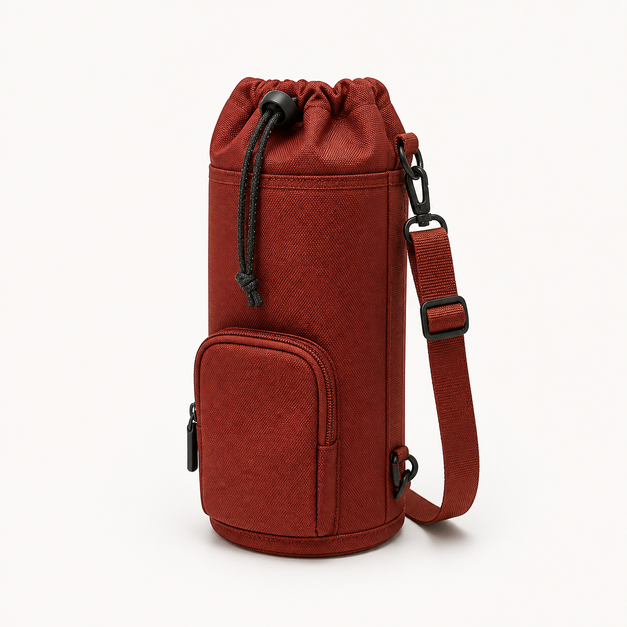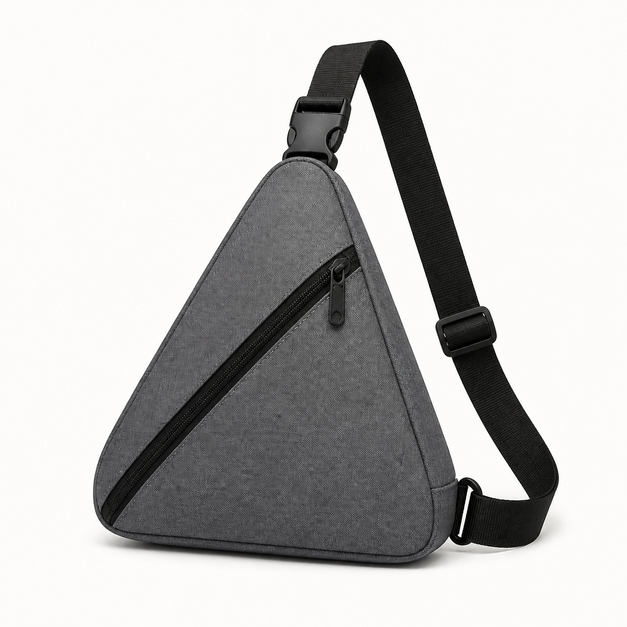
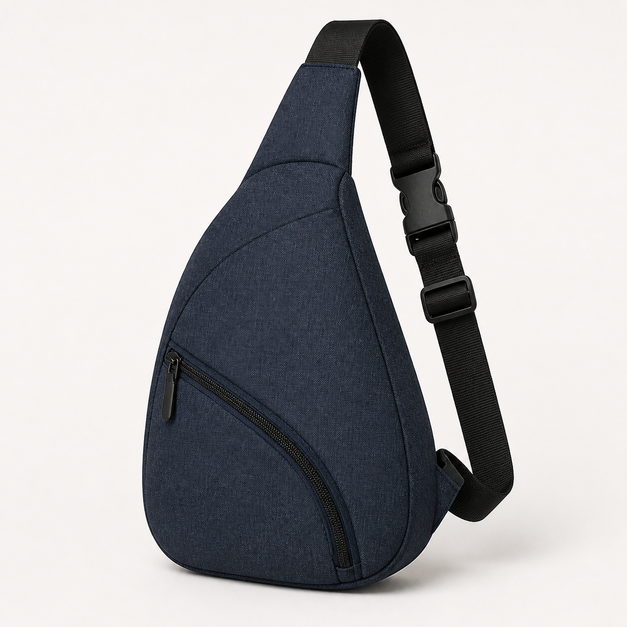
Arc Compact Crossbody Sling
Brand and distributor compact-carry programs
Reference sizeSpecified to the project brief
- Silhouette and pocket map
- Shell and lining direction
OEM and ODM development references for compact body-worn bags. Compare crossbody sling, waist, bottle, phone, chest and convertible formats, then define the carry position, access, materials and branding for your brief.
Discuss your sling bag project B2B manufacturing references. Final construction, quantities and specifications are confirmed through sampling.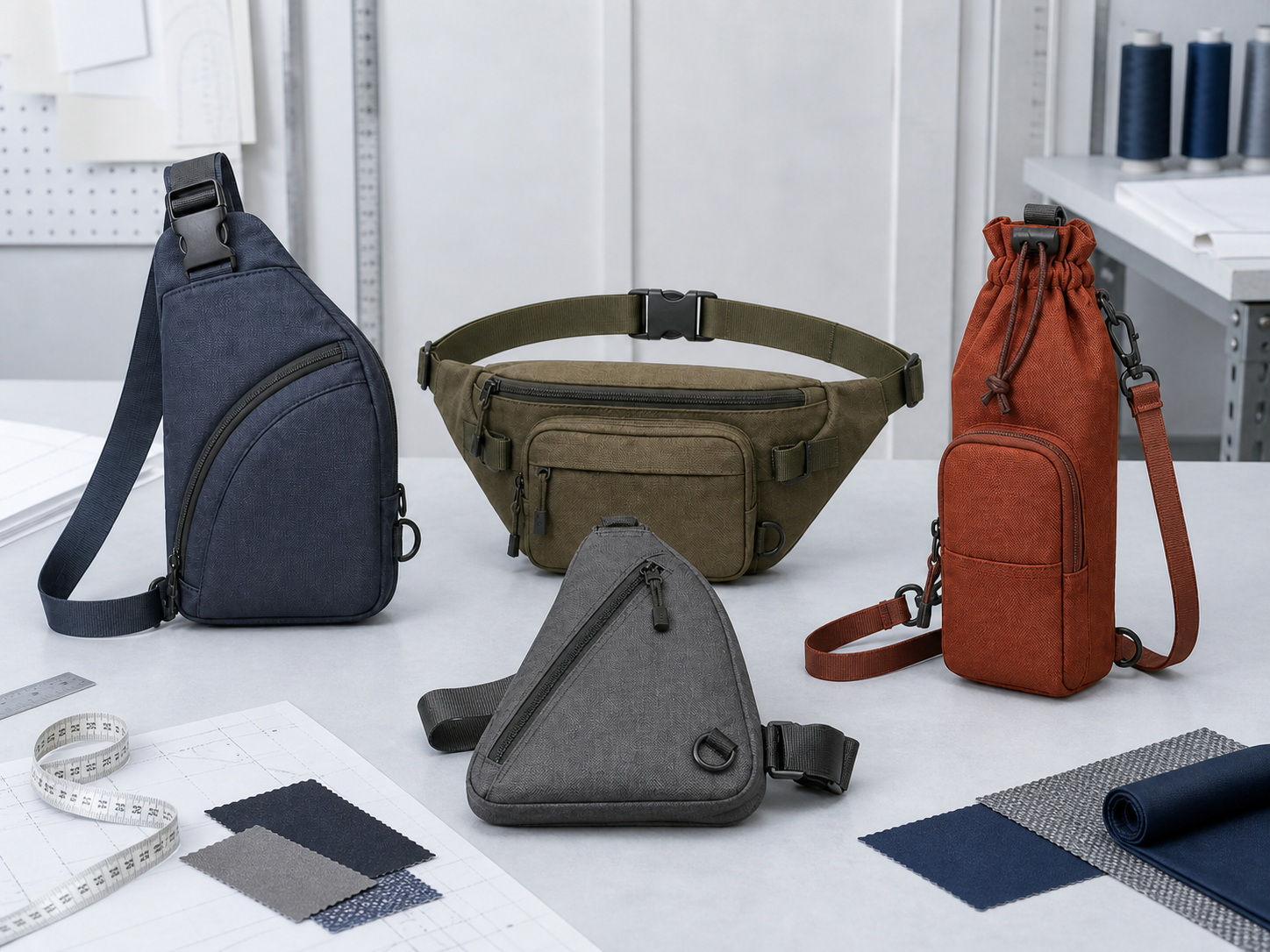
6 development references
Brand and distributor compact-carry programs
Reference sizeSpecified to the project brief
Mobile-accessory, corporate-merchandise and procurement programs
Reference sizeSpecified to the project brief
Brand, promotional and wholesale waist-pack programs
Reference sizeSpecified to the project brief
Multi-format accessory ranges for brands and distributors
Reference sizeSpecified to the project brief
Drinkware, outdoor-accessory and promotional procurement programs
Reference sizeSpecified to the project brief
Active-accessory and compact-carry brand programs
Reference sizeSpecified to the project brief
MATERIALS / SLING & WAIST BAGS
Review the body fabric, inside finish and strap system together. Compact formats place seams, hardware and decoration close to the openings, so each decision needs to be checked on the intended construction.
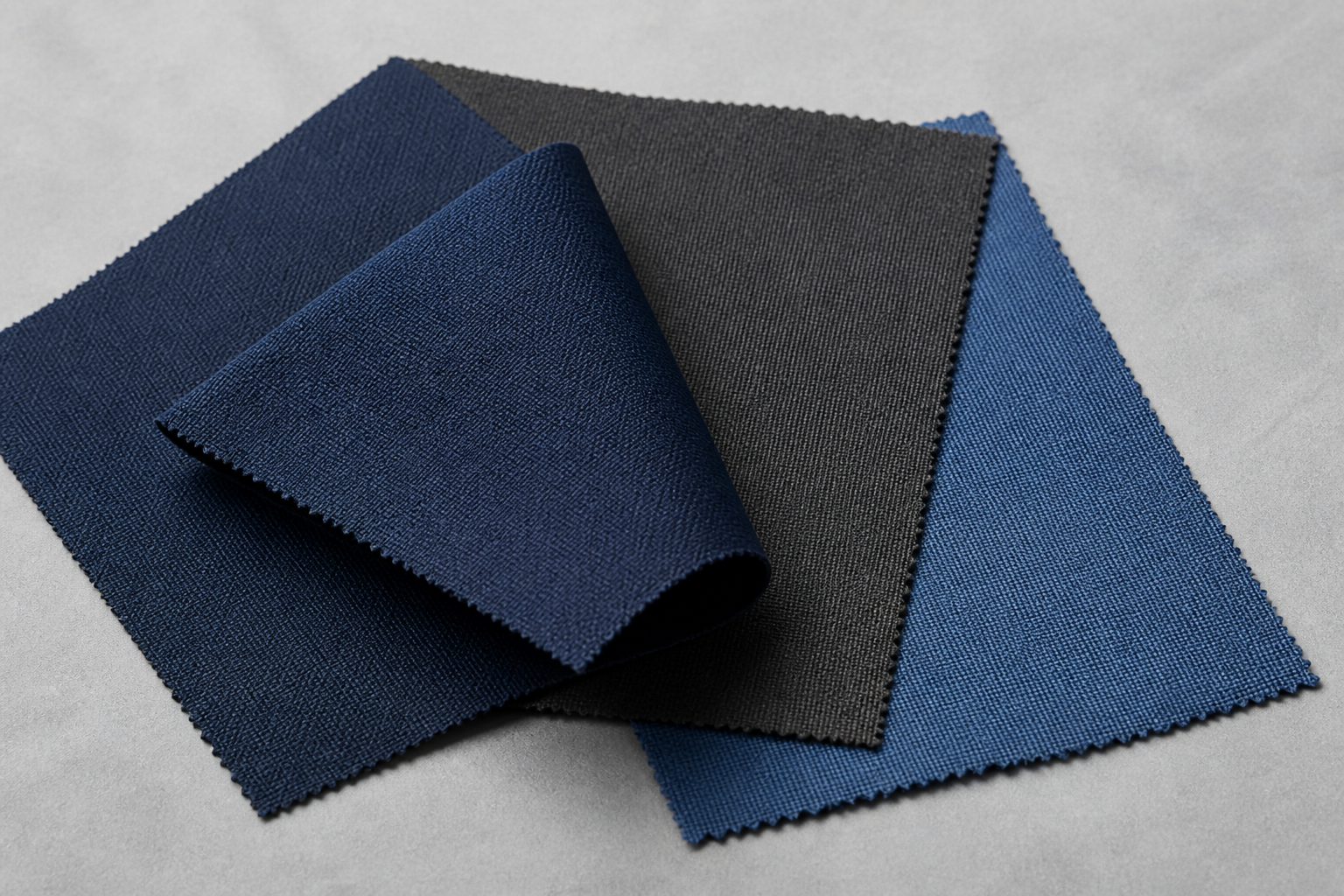
Polyester or nylon directions can be considered for these compact bodies. Choose the surface, hand feel, backing and color against the actual silhouette.
Confirm composition and finish from submitted options, then check folds, curved seams and pocket edges on the sample.
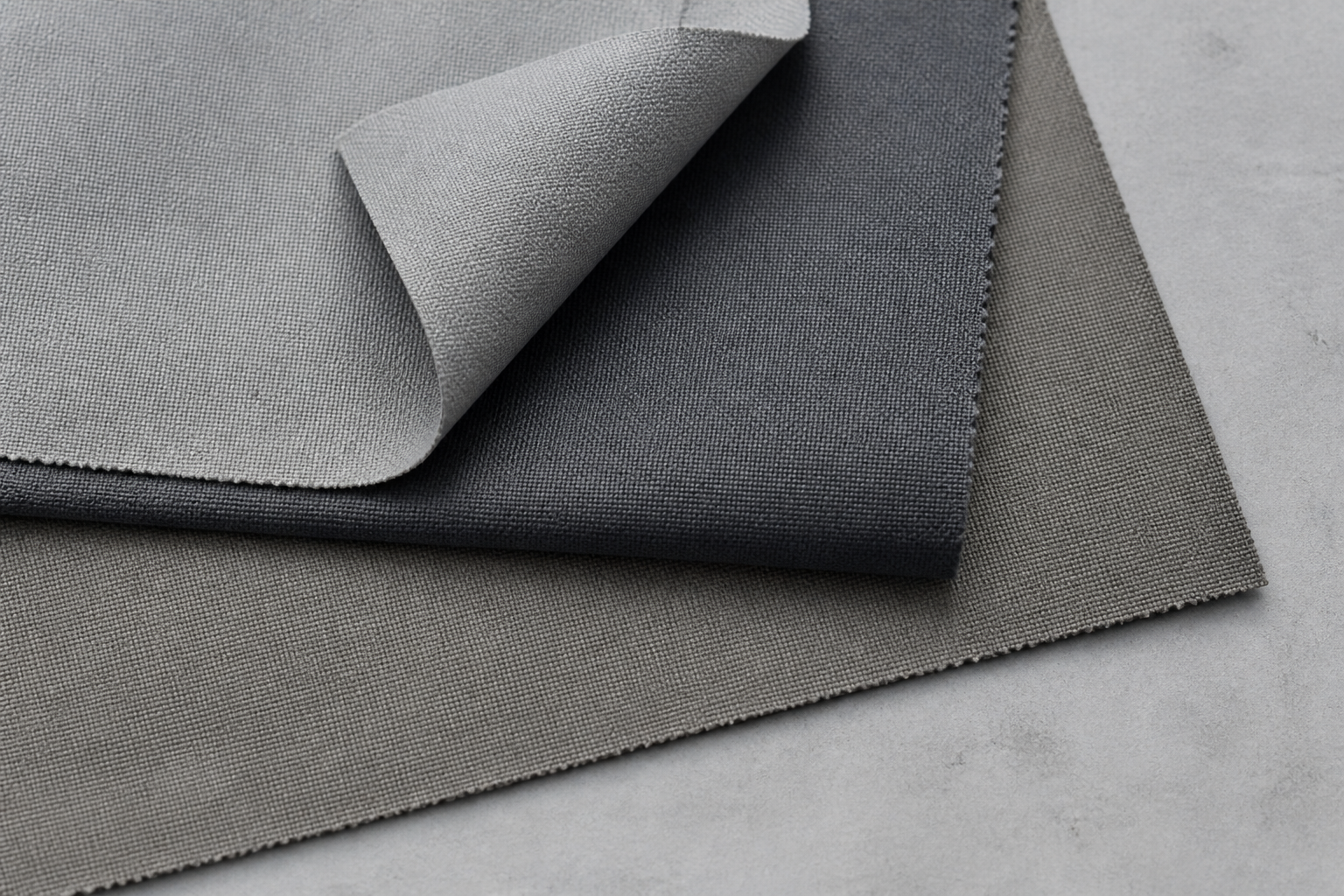
A contrasting or tonal lining can help internal review, while binding and seam finish affect the usable space in small compartments.
Approve the lining shade, seam treatment and pocket-edge finish with the interior layout.
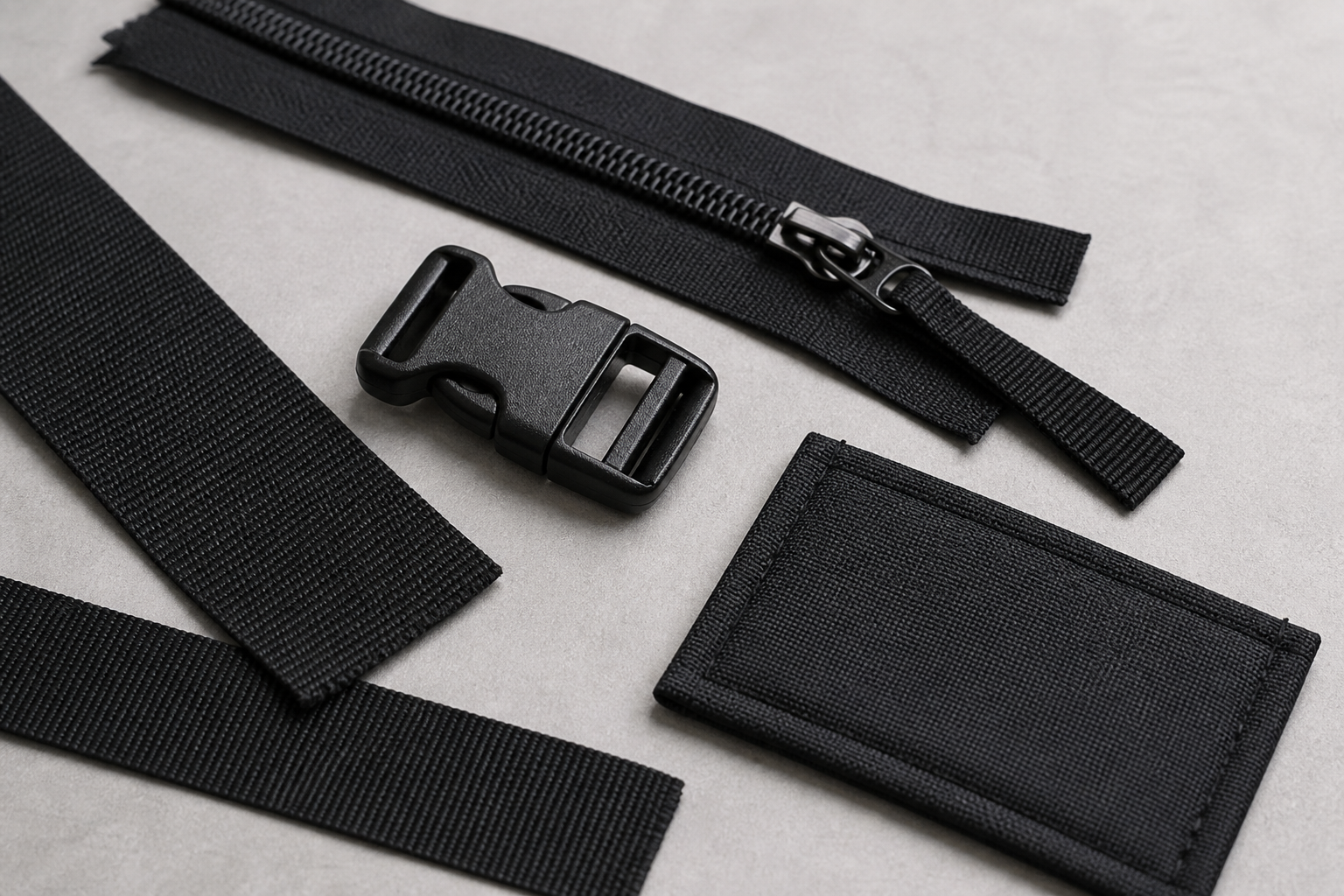
Strap width, adjustment direction, anchor position and buckle choice need to match the intended sling, waist or convertible configuration.
Review the complete carry system on the fitted sample; hardware appearance alone does not confirm suitability.
Illustrative material studies, not verified swatches or test results. Final composition, construction and any performance requirement need approval and supporting evidence.
CONSTRUCTION WORKSHOP
Review strap position, opening access and buckle routing alongside the chosen format. The images are editorial examples; final construction is defined through the project brief and sampling.
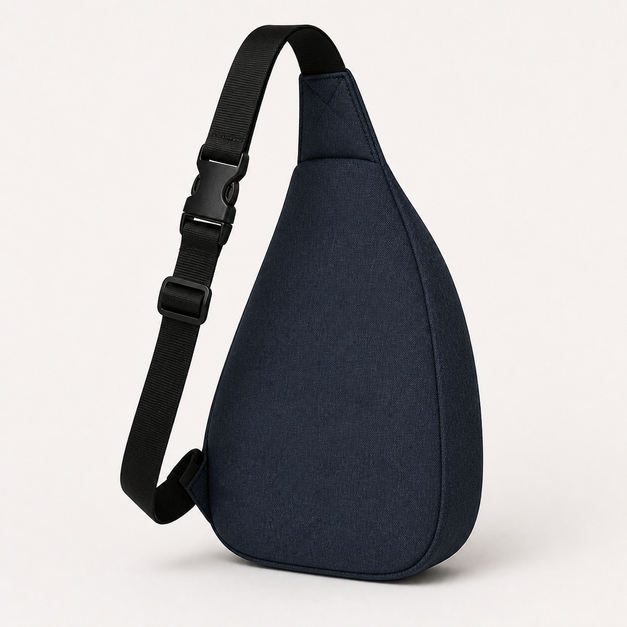
Set the wearing side, adjustment route and anchor positions together so the body sits in the intended orientation.
Buyer questionWhich shoulder or waist position should the sample prioritize?
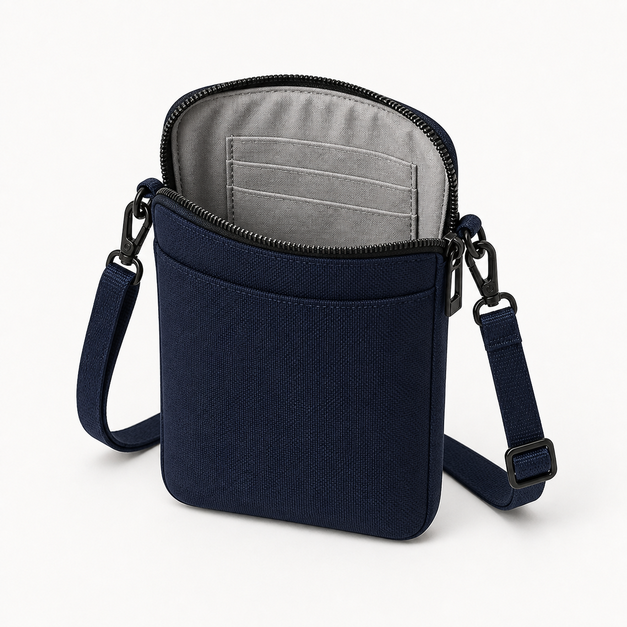
Map the carried items before setting top access, slip sections and internal divisions in a compact body.
Buyer questionWhich item needs access without unpacking the main section?
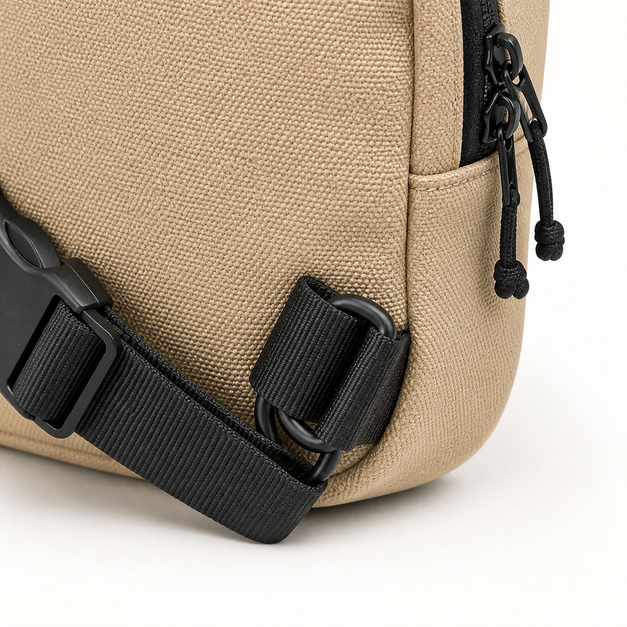
For a multi-mode design, review buckle position, webbing management and both strap routes on the same sample.
Buyer questionHow should the user change between the approved carry modes?
Start with contents and wearing position. A bottle sleeve, phone pouch and chest pack require different access and strap decisions even when each uses a compact body.
Send the largest item dimensions and identify what needs separate or quick access.
Describe the intended shoulder, chest or waist orientation and the adjustment range to review on the sample.
Share artwork, color references, label requirements and packing information before decoration areas are fixed.
CATEGORY DEVELOPMENT
Use the shared manufacturing route while keeping compact-carry decisions visible at each approval stage.
Provide the intended contents, wearing side and carry orientation.
A contents-led format and access plan.
Review the shell direction, lining, webbing, buckle and zipper together.
A material and trim direction tied to the selected format.
Pack the intended contents and check position, adjustment, opening access and pocket interaction.
Recorded sample comments and agreed revisions.
Confirm artwork, colors, approved construction, labels and packing.
An approved specification and project check list.
Final quantities, timing and production details are confirmed for the approved specification.